admin
admin
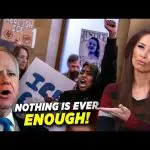
Don Lemon didn’t just show up to cover a volatile anti‑ICE protest in St. Paul — he embedded himself in the action, livestreaming as activists stormed a church service and broadcasting the confrontation to his audience. Video of the incident shows Lemon narrating the disruption, moving through the crowd, and repeatedly insisting he was there as a journalist even as worshippers fled and children were visibly upset.
Conservative viewers watched in disbelief as footage circulated of Lemon apparently coordinating with organizers, greeting them warmly, and even handing out coffee and donuts to demonstrators before the church takeover. That behavior crosses a line between reporting and activism; giving refreshments and verbal encouragement to people who then barge into a house of worship looks a lot less like neutral journalism and a lot more like participation.
The Justice Department took the matter seriously, weighing charges under statutes like the Freedom of Access to Clinic Entrances Act and a civil‑rights conspiracy statute, and federal prosecutors later moved to arrest those allegedly involved. The rare effort to invoke these federal laws reflects how the government sees organized disruption of religious services — and the prospect of charging a prominent media figure has exploded into a national fight over the boundaries of protest and press privilege.
Media defenders howled about press freedom the moment federal investigators used criminal statutes to probe the episode, and Megyn Kelly’s appearance on the controversy has cut to the core of the debate: was Lemon reporting or participating? Kelly’s argument — that handing out coffee and donuts and coordinating with activists could negate a claim to detached reportage — is a commonsense reading of the footage that the mainstream commentariat has been too reflexively protective to entertain.
Let’s be blunt: the Left treats celebrity journalists like combatants in a culture war, and too many on the right reflexively defend any legal action against them as political persecution. But conservatives should care about evenhanded application of the law; if media figures are actively organizing or materially supporting disruptive operations that terrorize worshippers and intimidate private citizens, those acts deserve real scrutiny rather than automatic sanctification. The question of whether providing food and logistics to an operation amounts to aiding wrongdoing is not rhetorical — it is a legitimate legal inquiry.
Washington’s answer to this mess should be simple: enforce the law without fear or favor. If federal prosecutors are going to look the other way when federal agents allegedly kill protesters, but swoop down to pursue journalists whose footage and actions look like activism, then the justice system has lost its moral authority. Americans of every political stripe ought to demand clarity from the DOJ: protect religious liberty and public safety, but don’t weaponize the law to shield the preferred tribe of media elites.
This episode should be a wake‑up call to hardworking Americans who still believe in honest journalism and the rule of law. We can defend the First Amendment without excusing opportunistic activism masquerading as reporting, and we should insist that the same standards apply to everyone — including the famous and well connected on the left. If we don’t hold people accountable for crossing the line from commentator to conspirator, then free speech becomes a license for lawlessness, and nobody wins.