admin
admin
President Donald Trump and Vice President J.D. Vance rolled out an interim memorandum of understanding with Iran that has the usual headline-grabbers — furious neocons, worried allies, and traders cheering at lower oil prices. Call it a pause button on shooting and a 60-day clock to negotiate a fuller deal. The real question is simple: does this help Americans who are paying too much at the pump and too much in grocery lines? Short answer: yes — but the media tantrum and procedural fog will slow down how fast people actually feel the benefit.
What the MoU Actually Does — And What It Doesn’t
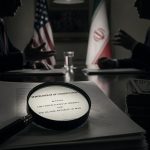
The administration says the memorandum of understanding was electronically signed by President Donald Trump and Vice President J.D. Vance for the U.S., and by Iran’s negotiator. According to officials, the deal stops active hostilities, opens the Strait of Hormuz again, and starts a 60‑day negotiation window on nuclear steps and verification. Crucially, the White House stresses no frozen Iranian funds have been released yet. That sequencing matters. The document text hasn’t been fully published, so we’re operating on official summaries and the public statements from the team — not wishful thinking.
Why the Neocons Are Mad — And Why They’re Missing the Point
Predictably, the usual neocon columnists are furious. They see any negotiation as weakness and claim the administration gave away leverage. Fine — have the hearings, write the hot takes, and tweet in capital letters. But politics doesn’t exist in a vacuum. The economy does. You can posture about “maximum pressure” while people pay more to fill their tanks. The hard truth: sometimes a practical ceasefire and a diplomatic path are better than perpetual war and endless price spikes. If you prefer jets and sanctions to cheaper gasoline, state that plainly.
How This Could Help the American Economy
Markets reacted fast: oil prices dropped as traders priced out immediate supply risk. Lower oil means lower gas bills, lower shipping costs, and less inflation pressure. That helps everyday families and eases the Federal Reserve’s job. Caveat: the fix isn’t instant. Insurance premiums, mine clearance, and logistics mean tankers won’t immediately operate like nothing happened. Still, a credible diplomatic step that reopens critical trade lanes is a net positive for the U.S. economy over time — and that’s what voters care about at checkout lines.
What to Watch Next
Here’s the checklist: publish the full MoU text and annexes; watch whether any frozen assets are actually released and under what conditions; monitor shipping data and insurance pricing to see real tankers transit the Hormuz; and follow whether the neocon backlash turns into congressional action. Vice President J.D. Vance’s Megyn Kelly interview is an early on-the-record defense worth reading, but the durable test will be execution. For critics who prefer slogans to outcomes, here’s a simple offer: if your plan reduces energy prices, stabilizes supply, and protects allies, I’ll listen. Until then, don’t complain if voters care more about lower costs than abstract purity.