admin
admin
The 60-day ceasefire window that Washington and Tehran agreed to has quietly expired, and with it went any illusion that diplomacy had solved the bigger problems. President Donald Trump answered the lapse with a loud, unmistakable gesture — posting a map and saying the vital Strait of Hormuz would be treated as American territory. Iran’s diplomats called the move “delusional.” What we have now is a diplomatic deadlock, rising risk to shipping and oil markets, and a test of whether the United States will back up its words.
Diplomacy deadlock: 60-day MoU expires
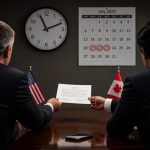
The June memorandum of understanding was supposed to buy time and produce a final deal during a 60-day negotiating window. That clock has run out with no final agreement and no new talks scheduled. The temporary pause that kept missiles and strikes at bay is weaker now. Waivers and limited authorizations tied to that framework are expiring, which means insurance, shipping costs and oil markets could wobble while the diplomats regroup — if they regroup at all.
Trump’s move on the Strait of Hormuz: bold or bluster?
President Donald Trump didn’t whisper. He posted a map and talked about treating the Strait of Hormuz as U.S. territory and even floated the idea of tolls. That was meant to be clear: Washington will not let Tehran choke global shipping with impunity. Iran’s Foreign Minister Abbas Araghchi and Deputy Foreign Minister Kazem Gharibabadi called the rhetoric “delusional” and vowed Tehran would keep deciding who passes and who pauses. Words matter — but words without follow-through are theater. If Trump means it, he must show the capability to protect the choke point.
Why Tehran’s defiance won’t surprise anyone
Don’t be shocked by Iran’s tough talk. The regime has proven resilient. Leadership reshuffles have mostly moved the same hardliners into new chairs. Public executions and harsh crackdowns continue. For all the hopes in Jerusalem and Washington that the mullahs would fold, Tehran has not signaled voluntary regime change. The expiration of the MoU simply highlights a hard truth: you don’t negotiate away a fundamental threat by smiling at an interim deal and walking back your leverage.
What Washington should do next
With the negotiating window closed, the path forward must be clear and firm. Keep a robust naval presence in the Gulf. Coordinate with Israel, Gulf partners and friendly navies to secure shipping lanes. Extend narrowly tailored waivers only when they serve real leverage, and tighten sanctions on regime insiders who bankroll repression. Most of all, stop the guessing game. If you’re going to say the Strait of Hormuz is off-limits to coercion, back it up with policy, muscle and allies. The choice now is simple: deterrence with clarity, or a slow drift into a wider, costlier confrontation.