admin
admin
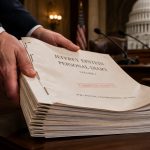
The long, private recordings of President Biden’s interviews with his ghostwriter have finally been made public after a hard-fought legal battle. Roughly 70 hours of audio and transcripts from the Zwonitzer interviews — redacted by the Justice Department and released to conservative requesters — are now available for anyone willing to listen. What used to be sealed material is now raw evidence in the national conversation about classified documents and presidential fitness.
What was released and why it matters
Federal records show the archive is extensive: dozens of interviews conducted while Biden was preparing his memoir. The Special Counsel’s office cited passages from those tapes in its report into the handling of classified material. Now that the Oversight Project has posted the recordings after courts declined to block their release, Americans can hear the words for themselves. That transparency is overdue — whether you trust the political motives behind the lawsuit or not, the public should not be barred from primary source material about how a president handled sensitive information.
What the tapes actually reveal
Listeners will hear the president describing material he calls “maybe” or “possibly” classified, and at times saying plainly, “I just found all the classified stuff downstairs.” Those lines echo the Special Counsel’s red-flag passages. The tapes also include halting moments and memory lapses Hur noted in his report — sentences that trail off, repeated pauses, and Biden losing his train of thought. For critics, those clips will read as proof of poor handling and poor memory. Defenders will reply that the conversations were for a private book and that redactions remove context. Neither argument erases the audible words.
The legal fight and how the files became public
The release followed FOIA-style litigation by conservative groups and a change in DOJ’s position that led to a redacted production. Courts refused to enjoin the disclosure, and President Biden’s legal team ultimately declined further appeals. Special Counsel Robert K. Hur had already relied on portions of the Zwonitzer materials in his report and chose not to recommend charges, in part because jurors might sympathize with an elderly man with memory problems. That prosecutorial calculus remains a legal judgment; it doesn’t erase national-security questions raised by someone openly handling classified notes at home.
Political and national-security implications
This is both a legal story and a political one. On the law side, key questions stay alive: Were rules for handling classified material followed, and was there criminal intent? Hur judged that a jury wouldn’t likely convict. On the politics side, opponents will use the tapes as campaign ammunition and oversight fodder, while allies will accuse critics of weaponizing DOJ. Meanwhile, national-security hawks should not shrug: a president describing sensitive briefings and calling things “not marked classified” is not the end of the conversation — it’s the beginning.
Bottom line
The Biden-Zwonitzer tapes are now public, and they will be replayed over and over. Citizens, lawmakers, and jurors of public opinion can listen and decide for themselves whether the recordings show harmless memoir-making or a serious lapse in judgment and safeguards. Either way, the culture of secrecy that allowed these files to be buried for years is gone. The American people finally have the raw evidence — and they deserve clear answers, not spin.