admin
admin
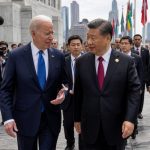
The summit at Bürgenstock, on Lake Lucerne, produced headlines and a signed memorandum of understanding that extended a fragile ceasefire between the United States and Iran. It looked good on paper — a roadmap, oversight cells and a 60‑day timetable. But if you peel back the press releases and the selfies, what the meeting really bought us was more time, not more trust.
What the Burgenstock MoU actually did
Pakistan and Qatar brokered the talks, and the U.S. and Iran exchanged a multi‑point MoU meant to formalize a pause in hostilities. Vice President JD Vance led the U.S. side while Iran’s Foreign Minister Abbas Araghchi hailed “major progress.” The document set up an oversight committee, a Lebanon de‑confliction cell and a Hormuz communications line, and it put a 60‑day roadmap on the table. Markets cheered briefly at the thought of a reopened Hormuz and lower shipping risk — and then reality reminded investors that diplomatic headlines do not equal durable peace.
Why the summit extended a truce — not true trust
The MoU mostly wrote down procedures. It did not solve the hard parts: who verifies steps, how sequencing will be enforced, and what happens if one side cheats. Those are the nuts and bolts that build confidence. Instead, public chest‑thumping, threats, and contradictory statements from leaders undercut the quiet diplomacy needed to make technical work actually work. Add regional spoilers — strikes in Lebanon, attacks on shipping — and both sides had every reason to hedge rather than trust. In short: they agreed to a pause, not a pledge of faith.
Why Republicans should care — and what should happen next
Republicans can applaud the diplomatic effort to lower the temperature. But applause must be cautious. Treaties and roadmaps are meaningless without enforcement and clear verification. The administration should insist on independent monitors, concrete sequencing tied to verifiable actions, and firm consequences for violations. We also need a plan to deter regional spoilers and to protect American forces and allies while talks proceed. No one wins if a “deal” collapses weeks later and we’re back to strikes and spirals.
Bottom line
The Burgenstock summit bought a breathing spell. That’s useful. It isn’t a cure. The hard work is now technical, patient and sometimes boring — the kind of work that builds credibility, not press conferences. If leaders trade soundbites instead of safeguards, the truce will be a short chapter and the conflict will come back louder. Call it what it is: an extended truce, not extended trust — and a reminder that diplomacy without verification is wishful thinking dressed up as success.