admin
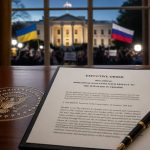
The White House Government Transparency Task Force just dropped a stack of declassified State Department emails and memos that supporters say undercut key parts of the 2019 impeachment story. The material — packaged under a “Burisma” collection on the White House site — has set off a new round of headlines, social media fireworks and one predictable Truth Social post from President Trump calling it proof the country was “scammed.” This is the new development, and it deserves a clear look without the usual media yawns.
What the declassified documents contain
The files released by the Task Force include emails, internal memos and short messages mentioning Burisma, Hunter Biden, and briefings for embassy staff. The White House posted the package on its Election Integrity hub and labeled it a consolidated release meant to show who knew what and when. Critics of the 2019 impeachment point to specific notes that appear to show Marie Yovanovitch and others had been briefed more often on Burisma than some testimony suggested. If the summaries are accurate, these declassified documents change the context of what witnesses said under oath.
Task Force provenance and why it matters
One important fact: the Task Force was chaired by a journalist who also has ties to outlets promoting the findings. That overlap is worth noting because curation matters. The White House chose which memos to release and how to package them. Still, the underlying files are primary-source documents. Reporters and the public ought to read the actual emails and memos and compare them side-by-side with the 2019 hearing transcripts to let the documents speak for themselves.
Why conservatives should pay attention — and why skeptics should verify
On substance, this could be big. The 2019 impeachment turned on who knew what about foreign influence and whether policy was improperly linked to investigations. If declassified emails show wider knowledge of Burisma and Hunter Biden inside the State Department, then voters deserve to know why that information wasn’t more central during the hearings. At the same time, verification is essential. Independent fact-checking and a careful transcript comparison will settle whether the documents actually contradict sworn testimony or merely fill in background color.
What comes next
Expect the usual political theater: President Trump will press the point — he already did — and allies will demand hearings or corrections. Mainstream outlets will sniff and delay, then decide whether to do the hard work of document-by-document checks. Congress and the State Department should answer simple questions: were these memos known to investigators, were they material to testimony, and does this release change the public record? Voters deserve an honest accounting, not spin. If the documents do what Task Force backers claim, then it’s time for answers — not another round of newsroom shrugs.