admin
admin
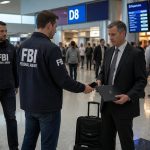
The real story this week isn’t the lurid airport-tarmac rumors circulating on social platforms. It’s the White House’s release of declassified FBI files that put fresh light on former U.S. Representative Eric Swalwell’s past ties to a suspected Chinese operative known as Christine “Fang Fang.” That disclosure has reopened questions about national security, judgment, and how far Washington will go to protect or punish its own. The tabloid tales about FBI agents seizing phones on the tarmac remain unverified by major outlets or court records — and they should be treated that way until officials produce proof.
What the declassified files actually show
The newly released FBI material details interactions between Swalwell and Christine “Fang Fang,” a person long described in reporting as a suspected Chinese intelligence operative who cultivated political relationships in the Bay Area. The files say Fang bundled donations and even placed an intern in Swalwell’s office. Swalwell has reportedly admitted he “occasionally hooked up” with her — a quote that sounds like it belongs in a bad rom-com, not a national-security file. FBI Director Kash Patel pushed for the release, and the White House transparency effort made those documents public, prompting renewed scrutiny.
The tarmac seizure story: drama without a paper trail
Scroll past the clickbait and you find something more boring but more important: no major news organizations or public court dockets have independently confirmed that FBI agents met Swalwell on a San Francisco runway and seized his phone. That version is running in tabloids and on social feeds, but federal searches and device seizures normally leave a public paper trail — court filings, warrant affidavits, or at least a DOJ statement. None of that has surfaced. In plain terms: rumor mills love a spectacle, but real journalists wait for records.
Why this matters — national security and political accountability
This isn’t just about personal scandal or tawdry headlines. If a sitting or former lawmaker had meaningful ties to someone who may have been working on behalf of a foreign intelligence service, that is a national-security problem and a public-interest problem. It’s also a hypocrisy story: a man who once lectured the country on decency and public trust now faces both sexual-misconduct allegations and renewed questions about foreign influence. The political fallout already forced him out of a high-profile race and out of Congress. What comes next should be driven by documents and court filings, not gossip.
So here’s the takeaway: the declassified FBI files are the verified development worth watching. They deserve careful parsing by reporters and serious questions from lawmakers. The tarmac-seizure drama can wait for the courthouse receipt or an official statement before anyone treats it like fact. Americans should want transparency and accountability. But they should also want facts, not fanfare. If justice or security is on the line, let’s follow the paper trail — and spare us the runway theater until someone shows a warrant.