admin
admin
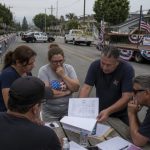
The Connect Bay Area campaign just turned in about 306,000 signatures to county registrars to try and put a regional sales-tax measure on the November ballot. If enough of those signatures check out, Bay Area voters will be asked to approve a 14-year sales tax to bail out BART, Muni and several other transit agencies. This is the moment the debate moves from talk to tax, and it deserves sharp scrutiny.
What the signature push actually does
The campaign submitted roughly 305,895 signatures to qualify a citizen-initiated measure under SB 63. Organizers say that beats the roughly 186,000 valid-signature threshold they needed. If certified, the plan would create a regional sales tax that aims to raise about $980 million to $1 billion a year for 14 years — roughly $14 billion in all. San Francisco would face a 1.0 percentage-point hike while Alameda, Contra Costa, San Mateo and Santa Clara counties would each get a 0.5 percentage-point increase.
Why they picked signatures — and why you should care
Here’s the political trick: if a government body placed the measure on the ballot, it would need two-thirds voter approval. By using the citizen-initiative route, the backers need only a simple majority. That explains the rush to gather signatures, not a sudden burst of civic love. Campaign leaders, Governor Gavin Newsom, State Senator Scott Wiener and others cheer the turnout as proof of support. But turning five counties into one big voting bloc and lowering the approval bar on a $14 billion tax is no small matter. County registrars will still verify signatures, but the strategy is obvious: collect a mountain of names, then let a simple majority do the heavy lifting in November.
Regressive tax, broad reach: who really pays?
This is billed as a BART rescue, but the tax hits everyone — riders and non-riders alike. Sales taxes are regressive. Low- and middle-income families pay a larger share of their income at the register than wealthy commuters who zip by in private cars. Critics rightly point out alternatives the Democrats barely mention, like a business gross-receipts tax or employer payroll levies that would shift more cost to companies that benefit from the transit network. Promises of oversight from the Metropolitan Transportation Commission and MTC Chair Sue Noack sound reassuring in press releases. Reality, though, is that oversight is only as good as the people enforcing it — and the region has a long history of cost overruns, pension promises and management problems that a sales tax won’t fix by itself.
What voters should demand next
Before people open their wallets at the checkout, voters should demand clear answers: independent audits, strict spending limits, and proof the money will improve service, safety and long-term solvency — not just paper over budget shortfalls. The signature submission was a big step for Connect Bay Area, but it was a political step, not a policy solution. If this measure makes it to the ballot, Bay Area residents face a choice between trusting the same political class that created the problem and insisting on smarter, fairer funding that makes riders safer and cities more livable without saddling non-riders with a regressive tax. That’s the conversation voters should have — not some backroom math that turns five counties into one giant cash cow for transit bureaucracies.