admin
admin
Newly surfaced federal files have dropped a blunt new detail into the messy story about the Butler rally attack: President Trump’s would‑be assassin, Thomas Crooks, was handed the rifle that morning by his own father — who says he believed his son was headed to a shooting range. The claim comes from an FBI interview summary reported by the New York Post and provided to Senate Judiciary Committee Chairman Chuck Grassley. That single line should make every oversight hawk sit up straight.
What the federal files actually reveal
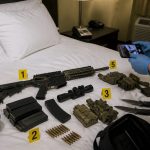
The newly reported FBI summary says Matthew Crooks opened the family gun safe himself on the morning of the Butler rally and gave Thomas a Panther/AR‑style rifle because he thought his son was going to the range. The same records, as reported, describe Matthew repeatedly changing the safe combination after catching his son watching him enter the code, and an episode where he watched surveillance footage of Thomas pacing and “frantically” cleaning a gun.
Those pages also say Thomas ordered parts online — some shipped under the pseudonym “Bob Dole” — and that his interest in long‑distance shooting had grown over several years. All of this comes from FBI interview summaries that have been circulated to Senator Grassley’s office and appear alongside FOIA releases previously pushed out by Judicial Watch. Caveat: the public documents are heavily redacted, so we don’t yet have the full picture from raw, unedited FBI transcripts.
Why this development matters — and what it doesn’t
First, the obvious: if a father handed over a semi‑automatic rifle thinking his son was headed to the range, that raises painful questions about judgment and household safety. Second, it raises even bigger questions about how warning signs were handled — by family, by local law enforcement, and at federal levels charged with protecting public figures. Third, the new details matter for the ongoing oversight: Senator Grassley and others are right to want every unredacted page.
What these files do not do is give us a clean motive or excuse. An FBI interview summary is a starting point, not a verdict. We should be careful about letting tabloid flair substitute for full evidence. Still, the material is damning in one sense: it shows a chain of small failures and odd choices that, taken together, led to a near catastrophe.
Oversight, FOIA, and the need for full disclosure
Judicial Watch’s FOIA releases and the materials funneled to Senator Grassley are doing the heavy lifting here. Congress must now press the FBI and the Secret Service to produce the unredacted interviews and exhibits — not for political theater, but so the public can see what warnings existed and who ignored them. If federal agencies expect public trust, they should stop treating transparency like a dusty attic item and start acting like it’s central to their job.
And since we’re calling things out: the “Bob Dole” delivery deserves an investigative eyebrow raise. Clever pseudonyms don’t fool logistics tracking — they just make the story weirder. The public has a right to know whether the purchases, deliveries, and household behavior were investigated thoroughly before the rooftop shooting ever happened.
The new federal files give us troubling new detail but not the whole story. Republicans and Democrats alike should demand the complete records so we can fix the obvious gaps — in family safety, local response, and federal protection of high‑profile events. This is about public safety, not partisan scoring. Until the full documents are released, expect more questions than answers — and plenty of pressure on the agencies that can provide straight ones.