admin
admin
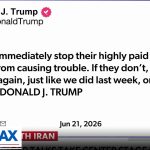
Hezbollah’s rockets and ambushes have bled across the Lebanese border and now five Israeli Defense Forces soldiers lie dead — a sharp, ugly reminder that the Israel-Hamas war can ignite a wider regional fight in a heartbeat. At the same time, Vice President JD Vance has flown to Switzerland leading a U.S. delegation trying to stitch together a ceasefire and keep the fire contained. President Trump answered the escalation with a blunt public threat: if Tehran won’t seal a final deal, the United States will impose tolls on shipping through the Strait of Hormuz.
Hezbollah’s strike and the risk of spillover
The death of five IDF soldiers after attacks from Lebanon is not a local skirmish — it’s a warning flare. Hezbollah is an Iranian proxy with experience and ambition, and every casualty on either side ratchets up the pressure for a larger confrontation. Diplomats in Switzerland are trying to put a lid on the violence, but talks only buy time; they don’t erase the networks, weapons, or motive forces on the ground.
Trump’s Strait of Hormuz threat: leverage or escalation?
President Trump’s line about slapping tolls on the Strait of Hormuz is raw, simple leverage — and that’s the point. The Strait is the throat of global oil shipments; even the talk of disrupting it or extracting fees sends insurance rates soaring, tankers rerouting, and energy markets into a panic. Whether it’s an effective bargaining chip with Tehran or a dangerous provocation depends on who’s willing to back the words with action and what price Americans are prepared to pay.
This isn’t abstract geopolitics for think-tank cocktail parties; it’s gas prices at the pump, higher heating bills next winter, and more expensive goods on store shelves. It’s also real danger for sailors, Marines, and intelligence teams patrolling chokepoints while diplomats swap firm phrases in Swiss conference rooms. If Washington wants to use economic chokeholds, it should also explain the military and diplomatic fallback — because ordinary families don’t get a vote on whether their bills or sons and daughters become bargaining chips.
We’re at a fork: back tough diplomacy that forces Iran to police its proxies, or accept the slow creep into a broader Middle East war. Vice President Vance can cut deals in Switzerland, and threats like tolls can work as leverage — but leverage without a clear plan is just theater with a price tag. So ask yourself: are you ready for your next paycheck to underwrite someone else’s proxy war, or do we demand a strategy that protects Americans first?