admin
admin
Iran just made a boneheaded move that could push the Middle East back toward full-scale war — and did it hours after President Donald Trump sat down with Prime Minister Benjamin Netanyahu. The U.S. military says the Islamic Revolutionary Guard Corps launched multiple ballistic missiles at U.S. forces and that all were intercepted. That’s the headline. The rest is the ugly homework on who will pay for the waste and the danger of miscalculation.
What happened: a surprise attack — and a predictable response
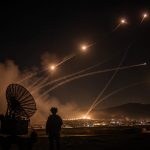
CENTCOM says IRGC forces launched multiple ballistic missiles in “an attempted surprise attack” on U.S. forces in the region and that the missiles were successfully intercepted. That’s the official line, and independent reporting so far backs up the core claim: missiles launched from Iran, interceptors used, U.S. forces alert and ready. The timing — just hours after the White House meeting between President Donald Trump and Prime Minister Benjamin Netanyahu — makes the launch look either foolish or intentional sabotage of diplomacy. Either way, the result is the same: the fragile pause in strikes is now in jeopardy.
Why this was the dumbest move of the war
Iran’s leaders are playing a dangerous game. Launching missiles that get shot down doesn’t score points. It uses up U.S. and allied missile-defense resources, puts regional host nations in a hard spot, and hands the U.S. a clear rationale to resume or escalate strikes. If Tehran hoped to show strength, they instead showed bad timing and worse judgment. The IRGC can crow in state media, but real-world costs — depleted interceptor stocks and closer U.S. scrutiny of Iranian command-and-control — don’t make for inspiring propaganda.
Missile defenses aren’t magic — and they’re not endless
Let’s be clear: Patriot and other interceptors did their job. That matters. But they’re not infinite. Analysts have been warning that repeated intercepts bleed down limited inventories. Each launch forces the U.S. to choose between conserving precious interceptors and risking personnel and partners on the ground. Iran’s tactic of repeated salvos is a slow squeeze strategy — if it continues, the balance of options shifts toward the U.S. using more offensive measures to reduce the threat. That’s not abstract. It’s logistics, and logistics decide wars.
What President Donald Trump should do next
The White House gave diplomacy a short window. Iran just closed it by firing missiles. Now the administration must respond with clear choices: back to negotiations only if Tehran proves it can act like a normal state, or step up strikes to degrade Iran’s missile and strike networks so this behavior stops. Vague warnings aren’t enough. The U.S. should coordinate tightly with Israel and regional partners, protect host nations, and make Iran pay a price that’s immediate, measurable, and painful. Otherwise, Tehran will keep testing limits while the rest of us clean up the bill.
Bottom line: Iran’s missile salvo was reckless, poorly timed, and strategically self-defeating. It risks collapsing the fragile diplomatic pause and forces Washington to decide whether patience is still a policy or just a pause before harder action. Either way, the clock is ticking and Iran’s credibility just fell further behind its missiles.