admin
admin
A single intercepted package at John F. Kennedy International Airport blew open a much larger smuggling scheme. What began as a concealed gun suppressor falsely labeled as “automotive equipment” led U.S. Customs and Border Protection to a Branford, Connecticut, home loaded with weapons, explosives and more. This is what real border enforcement looks like — when it happens.
How CBP stopped a smuggling attempt at JFK
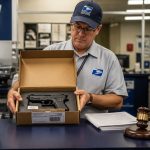
CBP officers working international air cargo at JFK flagged an inbound shipment from Hong Kong as high‑risk and inspected it. Inside they found a suppressed firearm part that should have been declared and cleared under strict federal rules. That one find triggered an investigation and a controlled delivery that pointed investigators to Alexander Oranzo in Branford.
Coordination paid off — and should be a model
CBP shared the tip with Homeland Security Investigations and local police, who executed a search warrant at the Branford address. Officials credit the coordinated work of federal and local teams for preventing the shipment from reaching the street. If Washington wants results, this is the kind of teamwork to copy — not more talk about “reform” that forgets enforcement.
What agents found in Branford, and why it matters
The haul was staggering: 39 firearms, five suppressors, 58 high‑capacity magazines, three sets of body armor, thousands of rounds of ammunition, Tannerite explosive target material and narcotics. Those aren’t hobby items for responsible hunters. Stockpiles like this are a public‑safety threat and show how illegal import channels can fuel violent crime or worse. The case also raises red flags about how National Firearms Act items are being moved into the country without proper permits or paperwork.
Lessons for policy and common sense fixes
First, customs and border officers deserve praise and more resources. Second, regulators should close loopholes that let NFA items and suppressors be mislabeled and slip through cargo. Third, federal prosecutors need to use every charge available to deter trafficking — possession of silencers, high‑capacity magazines and explosive materials is not a misdemeanor. If officials treat this as a lesson instead of a one‑off story, Americans will be safer.
This seizure shows two things clearly: smugglers keep trying new tricks, and when law‑enforcement agencies actually work together, they can stop them. Lawmakers who care about public safety should make that kind of enforcement easier, not harder. For a change, let’s fund border screening, tighten import controls on regulated firearm parts, and let officers keep doing their jobs.