admin
admin
Netflix’s KPop Demon Hunters exploded out of Hollywood’s factory line and into the global summer of 2025 as a strange, unstoppable cultural machine — an animated movie that turned a fictional girl group, HUNTR/X, into a real-world chart sensation overnight. The film’s centerpiece, the song “Golden,” was engineered to do everything pop is supposed to do: sell a story, sell a look, and sell a feeling of belonging to a fandom that spans continents. This was not accidental; it was corporate entertainment at scale, and it worked.
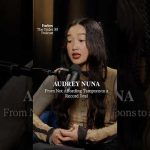
Audrey Nuna, one of the three real singers behind HUNTR/X’s voice, has spoken plainly about how the project shifted her relationship with pop music — describing the experience as almost surreal and even likening it to a Hannah Montana–style double life where art and commerce collide. Her candidness about being swept into a phenomenon she didn’t fully expect cuts against the grain of industry spin, and it’s worth noting that she didn’t abandon her artistic instincts to do it. Nuna’s story is the reminder that talent still matters, even inside a polished corporate vehicle.
The payoff for that polished machine was enormous: “Golden” climbed charts and earned industry recognition, and the KPop Demon Hunters soundtrack racked up streaming numbers and award nominations that only feed the Hollywood narrative of spectacle over substance. This is the era where streaming algorithms and corporate marketing budgets can manufacture an international sensation just as surely as a factory produces widgets. For all the headlines about “global culture,” the mechanics behind the moment are overwhelmingly corporate and strategic.
On the Forbes Under 30 podcast, Nuna and the hosts unpack how the whirlwind changed her thinking about pop, creativity, and the responsibility artists carry when their work becomes a cultural export. She explained that working on the film forced her to reconnect with the human story at the center of a pop song — that vulnerability, not glossy packaging, is what sticks with listeners. Those are the kinds of admissions you don’t often hear between back-to-back red carpets, and they deserve attention from anyone who still cares about authentic art.
That authenticity is exactly what conservatives should defend: hardworking, individual artists who earn their place rather than becoming interchangeable parts in a global entertainment assembly line. We can celebrate Audrey Nuna for seizing an opportunity and bringing her voice to millions without pretending that the system that elevated her is free of calculation or agenda. Americans ought to cheer for real talent, not simply the next product a streaming service decides to monetize worldwide.
There’s also a lesson about cultural influence and national identity. KPop Demon Hunters didn’t just sell music; it moved people, ticket numbers, and even tourism interest, showing how entertainment can be soft power when corporations decide to push it hard. If we’re going to let multinational media conglomerates drive what becomes the “sound of the year,” we should at least demand transparency about who’s calling the shots and who benefits from the windfall.
So here’s the conservative takeaway: applaud the grit of artists like Audrey Nuna who navigate this industry maze, but don’t romanticize the machinery that packages and sells them. Support musicians who write from the heart, reward creators who resist being reduced to a marketing vector, and push back when corporate America decides culture will be its next revenue stream. Hardworking Americans deserve art that lifts rather than just captures attention, and we should fight to keep that standard alive.