admin
admin
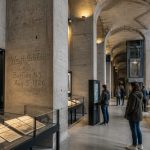
The Lincoln Memorial’s long‑closed undercroft has finally been opened to the public — a newly built, 15,000‑square‑foot exhibition beneath the memorial that lets visitors walk through the very foundations of one of America’s most visited monuments. The new undercroft exhibit includes interactive displays, preserved worker graffiti and tools, and a high‑profile loan of Abraham Lincoln‑signed copies of the Emancipation Proclamation and the 13th Amendment. Officials say the opening is part of public programming for the nation’s 250th anniversary, and yes, you’ll need a timed ticket to get in.
What visitors will actually see
Step down and you’ll find floor‑to‑ceiling glass views into the cavernous chamber that used to be off‑limits. The National Park Service built interpretive displays, a short film, and visitor amenities so people can learn how the memorial was constructed and why it became America’s civic stage. Superintendent Kevin Griess has pointed to recovered boots, tools and workers’ marks as reminders of the labor that built the site. And in a flashy move, billionaire collector Kenneth C. Griffin has lent his Lincoln‑signed documents for the debut — the originals remain with the National Archives, but these loaned pieces are the kind of headline‑grabbing artifact that will drive crowds.
Praise with a side of healthy skepticism
This is a win for public access. Turning a forgotten storage space into a museum‑quality exhibit is smart and gives visitors new context for the memorial’s story. But let’s be clear about the money and the strings: roughly $26 million of federal money was combined with nearly $45 million in private philanthropy to fund the project. When private donors and collectors are underwriting public memory, Americans deserve to know who sets the narrative and what the loan and insurance arrangements look like. It’s fine to let philanthropists help — just don’t act surprised when the glossy donor names make the press photos.
History, symbolism and who gets to curate it
There’s no denying the symbolism. The Lincoln Memorial has been the backdrop for civil‑rights moments that shaped our country, and the undercroft can add texture to that story. But we should ask whether we want our national story curated in back rooms between foundation cameras and wealthy collectors’ interests. Secretary Doug Burgum and National Park Foundation CEO Jeff Reinbold have praised the partnership, and it’s true partnerships can build things government alone struggles to fund. Still, transparency matters: visitors should be able to enjoy the exhibit without wondering whether history was edited to suit donors.
Bottom line
Go see the undercroft — it’s a rare chance to walk under a monument and to learn something real about how it was built. Book your free timed ticket and judge the exhibit for yourself. But don’t let the ribbon‑cutting distract you from asking the right questions: who paid for it, who lent the artifacts, and who decided what story is being told down there in the dark? If public places are going to rely on private money, the public has every right to demand full daylight along with the tour lights.