admin
admin
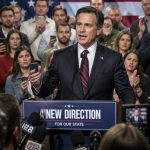
New York City Mayor Zohran Mamdani released a statement marking the third anniversary of the Oct. 7 terror attacks that began by condemning the slaughter on that day but then spent most of its breath accusing Israel of “ongoing genocide,” “apartheid,” and other harsh charges. The move has set off a storm of criticism from Jewish groups, diplomats and many New Yorkers — and raised real questions about who the mayor is speaking for.
What the mayor actually said
The Mayor’s Office posted a statement that called Oct. 7 “horrific war crimes,” and repeated official tallies for the victims that he cited. Then the statement turned its focus: the mayor accused the Israeli government of “devastating, ongoing genocide in Gaza,” referenced tens of thousands of Palestinian casualties as the basis for that claim, and urged rejection of “occupation and apartheid.” Those sharp words came from the city’s official release and are now the center of the controversy.
Swift and fierce backlash
Critics were quick to pounce. ADL CEO Jonathan Greenblatt said the mayor had “weaponized a day meant for mourning,” noting the statement did not explicitly say the word “Jews” while marking a day of Jewish suffering. U.S. Ambassador to Israel Mike Huckabee blasted the post on social media, and Israel’s Permanent Representative to the United Nations Danny Danon accused the mayor of trying to hijack the anniversary. Local Jewish organizations and other community leaders publicly condemned the tone and timing. This is not garden-variety disagreement — it’s a political firestorm.
Why this matters for New York City
New York is home to one of the largest Jewish communities in the world. When the mayor of the city frames a memorial day primarily as a rebuke of Israel’s conduct, it heightens fear and anger. Reporting shows the statement deepened tensions, sparked protests and added to the unease some Jewish New Yorkers already feel about the mayor’s past comments on Israel. The casualty numbers the mayor cited come from Gaza’s Health Ministry — a source that many outlets report as official while noting the usual methodological caveats. Context matters, but timing matters even more when leaders weigh public words.
The politics and the price
This was no slip of the tongue. The mayor has made sharp criticisms of Israeli policy before, and critics say this statement was a deliberate signal to his political base. Some reporting even ties recent city funding choices to groups with controversial partners — a point that only fuels the narrative that his priorities are out of step with large parts of the city. If a mayor of New York wants to lead a diverse, often fractious city, he should aim to calm, not inflame. Instead, Mamdani handed a megaphone to division and invited a backlash he could have avoided.
Leaders get judged for what they do and what they say. This statement did both. New Yorkers deserve a mayor who protects all communities and who chooses words that heal rather than weaponize grief. If Mayor Mamdani wants to repair the damage, he should start by listening, clarifying, and showing — not just telling — that the safety of Jewish New Yorkers matters as much as any political point he wants to make. Otherwise, the political and civic price will be paid at the ballot box and in the city’s trust.