admin
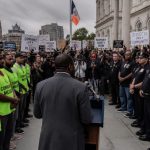
Mayor Zohran Mamdani and NYPD Police Commissioner Jessica S. Tisch recently announced they will disband the NYPD’s Strategic Response Group (SRG) and replace it with a mix of civilian and new police teams. The plan promises a civilian Community Dialogue and De‑escalation Division (CDDD), a small First Amendment Support Team (FAST) inside Community Affairs, and a Patrol Support Division (PSD) for crowd work — while moving SRG’s counterterrorism pieces into the Intelligence and Counterterrorism Bureau. Sounds bold. But bold doesn’t always mean safe.
What the Mamdani plan actually says
The administration says the new model will separate protest policing from counterterrorism. The CDDD will be unarmed and civilian-led. FAST will be a 30-officer team focused on dialogue and de‑escalation while the city builds CDDD. PSD will be a specialized patrol unit that is supposed to make arrests only rarely. The announcement also bans kettling, restricts tear gas and long guns at demonstrations, limits acoustic devices, and promises no change in overall NYPD headcount or added cost.
Why many New Yorkers are uneasy
Police unions and many residents reacted with alarm. Their worry is simple: will removing SRG make the city less able to stop violence at big protests or to respond fast if a real terror threat appears? Some critics smell politics and rebranding. Supporters of the mayor cheer the civil‑liberties angle. Both sides have a point: the old SRG was accused of heavy‑handed tactics, and some changes were overdue. But tossing a controversial unit and saying “trust us” is not the same as proving a safer city.
Big questions the city still needs to answer
Announcements are one thing; hard details are another. When will CDDD actually be staffed and ready? Who from the SRG will move into PSD, FAST, or counterterrorism roles — and what vetting will they face? What training will FAST and PSD get, and who will oversee complaints and accountability? Will the PSD simply be SRG with a new logo? The public deserves timelines, clear rules of engagement, and measurable safety metrics like response times and use‑of‑force complaints to judge whether this is reform or reshuffle.
Bottom line: reform should not risk safety
New Yorkers want both safety and free speech. That’s not a braid that should be pulled apart for political points. If Mayor Mamdani and Commissioner Tisch want credit, they need transparency, concrete timelines, and real oversight — not buzzwords and rebranding. Otherwise this “civic experiment” will look less like smart reform and more like an expensive curiosity at rush hour. The city deserves a plan that protects protests and protects people. No mood board or press release can replace that.