

 admin
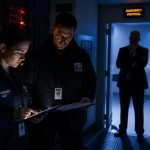
The National Security Agency’s internal, highly classified communications network — widely described in reporting as “NSA Net” — went offline this week, according to CNN and several other outlets. Engineers at the agency scrambled to bring the system back up, staff were given staggered arrival times, and officials say there is no immediate sign of a cyberattack. Still, this outage raises real questions about resilience, oversight, and how the nation defends its secrets when its secret chat goes dark.
What happened: NSA Net goes down
According to multiple news reports, the NSA’s internal classified communications system became unavailable to employees while agency technicians investigated the fault. The outage affected the staff-facing network used to pass classified information inside the agency — not public systems — and agency teams reportedly worked to restore service. General Joshua Rudd, Director of the National Security Agency and Commander, U.S. Cyber Command, is the official responsible for responding to incidents like this. At the moment, public reporting does not identify whether the cause was hardware failure, a software error, routine maintenance gone wrong, or something more sinister.
Official posture: no evidence of a hack — yet
Officials cited in reporting say there is no current evidence the outage was caused by a cyberattack. Redundancies are said to exist so urgent intelligence could still reach President Donald Trump while he travels, and that collection and presidential alerting were not disabled. But anonymous-sourced reassurances are not the same as a full technical post-mortem. When an agency built to protect secrets goes quiet, citizens and Congress deserve more than soothing words from unnamed officials.
Why this matters: pattern, accountability, and true redundancy
This outage comes amid a string of high-profile service disruptions across both public and private sectors this week — from a major Microsoft outage to FAA telecom instability — which makes any lapse at a spy agency feel especially ominous. Even if these incidents are unrelated, their timing exposes fragile systems and weakens public trust. The NSA should provide a clear explanation of scope, affected systems, and what contingency channels were used. Congress’s intelligence and armed-services committees should demand a briefing and a technical after-action report from the agency and U.S. Cyber Command.
Bottom line: fix it, explain it, and restore trust
It’s possible this was an honest technical hiccup. It’s also possible it exposed gaps we should have fixed years ago. Either way, the response should be fast, transparent, and accountable. The American people and their elected overseers should not have to rely on anonymous briefings from inside the Beltway. If the NSA wants us to believe America’s classified communications are secure, the agency needs to prove it — not just promise it.