admin
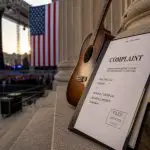
Mary Peltola’s campaign has asked a federal judge to toss the Justice Department’s sudden lawsuit aimed at stopping Alaska from certifying its U.S. Senate result. The motion to dismiss calls the DOJ bid “wholly baseless” and warns that federal meddling in state election certification raises serious constitutional concerns. This fight over election certification and a namesake candidate has suddenly turned into courtroom theater — and it needs to end fast.
What Peltola’s motion says about the DOJ lawsuit
Peltola’s team, backed by the Democratic Senatorial Campaign Committee, filed a fast-track motion to dismiss under ordinary civil rules. Their argument is simple: the DOJ’s novel theory stretches the National Voter Registration Act beyond recognition. The NVRA deals with voter registration, not how states list candidates or certify winners. Peltola’s brief asks Judge Sharon Gleason to reject the suit quickly so Alaska can handle its own election rules without a federal veto over certification.
Why legal experts call the DOJ theory weak
Election-law scholars and Alaska officials have been blunt: this is a novel and unlikely legal path. The DOJ asks a court to block certification if votes for a namesake candidate might have changed the outcome — but there’s no workable, lawful way to untangle supposed “confused” votes without ripping up ballot secrecy. Alaska’s ranked-choice system also reduces the risk of a stray vote flipping a race. In short, the DOJ theory looks like a legal long shot, not a clear-cut defense of election integrity.
Politics, not principle — and who pushed the suit
Call it what it is: political theater dressed up as law. Public statements from President Donald Trump that he “ordered” the DOJ to file the case turned an already strange complaint into a headline-grabbing stunt. Even some Republicans in Alaska criticized the move as an extraordinary federal intrusion into state election administration. If the Justice Department is going to use its power this way, voters should know it’s being used as a political tool — and judges should treat it skeptically.
What comes next — and why a quick dismissal matters
The filings ask Judge Gleason for an expedited ruling because election deadlines are looming. If the court drags this out, it risks upending the certification timeline and creating chaos for a competitive Senate race. The sensible outcome is straightforward: dismiss DOJ’s overreaching complaint, leave Alaska election officials to do their jobs, and stop turning election law into a political booby trap. If the Justice Department wants to protect ballot integrity, start by staying out of state certification processes unless there’s a clear, lawful basis — not a headline-driven guess about voter intent.