admin
admin
Restaurant 356 sits perched above the Porsche Experience Center’s driver-development track, a glossy testament to what happens when high-end engineering meets curated hospitality. The venue — named for the marque’s original 356 model — markets itself as a place where panoramic views of the track and nearby Hartsfield‑Jackson runways meet a seasonal, technique-driven menu. It’s an undeniable symbol of brand power: cars, cuisine, and spectacle all rolled into one polished product.
Porsche has put a recognized culinary leader in the kitchen, tapping Kristol Bryant as executive chef, a chef with a resume that includes high-profile kitchens and a stint on Food Network’s Chopped, who now steers the plate-side portion of the Porsche fantasy. Bryant’s approach, according to press materials, marries classical technique with bold, modern flavors — the same obsession with precision you’d expect from a performance automaker. For conservatives who respect mastery and achievement, this is private enterprise at work: hire talent, create demand, and deliver an experience that customers willingly pay for.
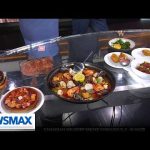
The dining experience leans into theatricality: multi-tiered seafood towers in dry ice, interactive Raclette melted and scraped tableside, and even a German-influenced burger stamped with the 356 namesake on the bun. It’s the kind of curated, Instagram-ready consumption that luxury brands sell to the globally mobile upper crust — an intentional energy shift from adrenaline on the track to mindfulness at the table. This is marketing married to excess, and while it’s impressive, it’s unmistakably aimed at a clientele with disposable income and a taste for spectacle.
To be fair, there’s something to respect here: Porsche built an ecosystem — tracks, simulators, galleries, and fine dining — that turns engineering heritage into jobs, tourism, and private-investment sparkle for Atlanta’s economy. That kind of private-sector creativity should be celebrated by conservatives who back entrepreneurship and the kind of luxury goods market that funds thousands of legitimate, non‑performative jobs. The Experience Center’s fact sheets make no secret of the design: it’s intended to turn enthusiasm into ownership and to showcase craftsmanship at every touchpoint.
But let’s not pretend this is a populist offering; reservations are required, the facility is cashless, and the whole setup caters to a bubble of privilege that’s disconnected from the working Americans who keep this country running. When corporate entertainment starts dressing itself up as culture, it’s worth asking whether the spectacle serves the broader community or simply pampers elites who can afford theatrical dining and branded buns. Those questions matter because taxpayers and local neighborhoods deserve clarity about who benefits and why.
At the end of the day, Restaurant 356 is a product of market freedom — a lavish, cleverly packaged experience that shows what capital and branding can deliver when left to their own devices. Conservatives should applaud the craftsmanship, economic investment, and private-sector jobs it creates, while also calling out the hollow displays of excess when they appear. We can admire excellence without mistaking luxury theater for real civic value, and we can celebrate American opportunity while holding elite experiences up to the light of common-sense scrutiny.