admin
admin
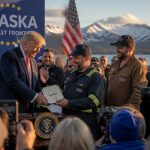
President Donald J. Trump’s off‑the‑cuff line at a rally calling Somaliland “a totally different country” set off celebrations in Hargeisa and a warm public welcome from Somaliland’s government. What started as a few words on stage has suddenly forced Americans to ask whether U.S. policy on Somaliland might be changing — and whether Washington will finally back a partner that has been asking for recognition for decades.
Trump’s Rally Remark and Somaliland’s Response
At a campaign rally in Youngstown, President Donald J. Trump said Somaliland is “a totally different country” from Somalia. Somaliland’s Ministry of Foreign Affairs immediately issued a public statement thanking the president and stressing Somaliland’s own borders, constitution, elected government, and foreign ties. In Hargeisa, social posts and video showed people projecting U.S. flags and pro‑Trump images on buildings as crowds cheered. It was a vivid, real‑world reaction to one short sentence from a U.S. president.
Why Somaliland Seeks Recognition
Somaliland has run its own affairs for more than three decades. Its leaders point to elections, a functioning government, and defined borders as the case for statehood. Somaliland also already won formal recognition from at least one U.N. member — Israel — and has courted partners on counter‑terrorism, anti‑piracy and maritime security. President Abdirahman Mohamed Abdullahi has publicly praised President Trump and urged U.S. recognition as a way to deepen security ties and keep trade routes safe.
Diplomatic Stakes for Washington
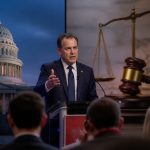
A U.S. president publicly calling Somaliland distinct matters. It changes rhetoric and nudges policy debates on Capitol Hill. Senator Ted Cruz called the moment a reason to formally recognize Somaliland, saying it is “well past time.” But recognition is not just a political ploy. It would force the United States to weigh regional stability, relations with Somalia, and the views of the African Union and allies. The State Department’s usual cautions will rush to the fore — but so should common sense about strategic partners in a dangerous region.
What Comes Next and Why Conservatives Should Care
This moment is a real chance to back a stable, pro‑Western partner that helps fight terror and protects shipping lanes. It is also a reminder that words from the presidential stage can have diplomatic weight. If Washington moves from rhetoric to action, it would be a win for U.S. interests and for allies who want more predictable partners. If it doesn’t, Hargeisa’s projected flags will fade and the world will take notice that American talk did not turn into American policy. Either way, conservatives should ask for clarity: will the United States stand with a partner that wants to help keep the seas and trade routes safe, or will it let bureaucracy and caution block a strategic choice?