admin
admin
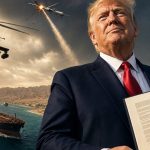
The Pentagon says it has launched strikes inside Iran — a “proportional” response, CENTCOM announced, after an AH‑64 Apache went into the water while patrolling near the Strait of Hormuz. President Donald Trump ordered the action, and footage and reports out of the region show explosions and air‑defense activity in southern Iranian coastal areas. Nobody’s pretending this is tidy or risk‑free; it’s a reminder that the American military keeps getting pulled into the mess around that choke point.
CENTCOM says ‘self‑defense’ — what that actually means
U.S. Central Command, under Admiral Brad Cooper, posted that forces “began launching self‑defense strikes against Iran” after what officials say was Iran shooting down the Apache. Both crew members were pulled from the water and are reportedly in stable condition, but independent verification of exactly how the helicopter went down is still thin. Iranian state outlets reported explosions near Qeshm and Bandar Abbas shortly after CENTCOM’s announcement — but Tehran hasn’t given a clear accounting of casualties or what was hit.
Why ordinary Americans should care
This isn’t just theater for Washington. The Strait of Hormuz is a global energy funnel; when the U.S. and Iran trade strikes, it’s American motorists and working families who can see higher prices at the pump and loss of consumer confidence. Merchant mariners, insurance rates, and the companies that move goods through that region all feel the ripple effects — and when diplomacy stalls, it’s those ripples that can turn into waves hitting our economy at home.
The rescue, the tech, and the human face
There’s a gritty, unexpected detail in this story: a Navy unmanned surface vessel — a Corsair USV from Task Force 59 — helped locate and recover the aviators. It may be the first known sea‑drone personnel recovery, and yes, that’s a big deal for battlefield innovation. Still, beneath the gadgetry are two service members who came home; that’s the part most Americans understand, and it’s why Congress and the public deserve straight answers about mission rules, risks, and costs.
Where this goes next is the uncomfortable part
CENTCOM called the response proportional, and the White House framed it as necessary. But important details remain missing: specific targets, damage assessments, and whether Iran will retaliate in a way that forces more U.S. troops or ships into harm’s way. We can celebrate a successful rescue and a measured strike, or we can ask whether this pattern of tit‑for‑tat leaves us safer — and if the people making those calls are answering to voters and representatives who must live with the consequences. What do you think comes next, and who gets to decide when a skirmish becomes a war?