admin
admin
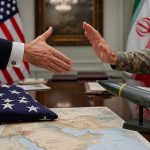
President Donald Trump’s stern public warning to Iran and the stepped-up U.S. naval posture in the Strait of Hormuz are not theater. This is policy with teeth — a blockade and an escort mission the administration calls Project Freedom — and pundits like Jesse Watters are cheering the brass for forcing Tehran into a corner while trying to avoid open war. Strap in: ordinary Americans are about to feel this in the only language Washington listens to, and it won’t be pretty for everyone.
Show of strength or dangerous gamble?
What the White House is doing — putting a hard naval barrier around a choke point that carries a fifth of the world’s oil — is textbook coercive diplomacy. The goal, as the administration says, is to neutralize Iran’s ability to weaponize shipping without launching a full-scale war. Jesse Watters called it shrewd and warned viewers they’re “about to find out how insane in the brain the regime really is,” which is blunt, but he’s onto something: this is a test of Tehran’s appetite for provocation.
Everyday Americans will pay the tab
This isn’t high politics for hedge funds alone. When tankers slow, insurance premiums spike, and traders price in risk, that trickles straight down to your wallet at the pump and the grocery store. Small trucking companies run on razor-thin margins; higher diesel costs mean higher delivery fees, which means your favorite local shop pays more and passes it on. That’s the concrete consequence of foreign-policy theater — sailors on deck overseas, and hardworking families in the checkout line at home.
Risk management, not bravado, should be the standard
There’s a case to be made for denying Iran leverage in the Hormuz — and the president’s preference for forceful displays over endless backroom concessions is popular for a reason. But displays of force must be coupled with clear objectives and exit ramps, not vague bravado. Otherwise you’re asking sailors to stand in harm’s way without a playbook, and you’re asking American families to shoulder higher costs with no guarantee of a better outcome. We owe more clarity than sound bites.
What to watch next
Watch Tehran’s next moves and watch Capitol Hill for the follow-through: will there be oversight, a clear strategy, and resources to protect global trade routes — or a slow, expensive muddle? If the administration can force concessions while letting Iran save face, great. But if history teaches anything, it’s that muddles become crises and crises become wars. So here’s the real question: are we ready to pay for a victory that lasts, or are we being sold a risk we won’t see until the gas pump tells us the truth?