admin
admin
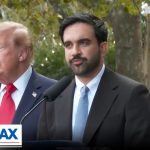
President Trump turned a routine visit to Gracie Mansion into a media circus — on purpose. Standing next to Mayor Zohran Mamdani, he reminded the press that he is not afraid to call out outlets he calls “fake news,” and he doubled down on his decision to bar CNN, MSNBC and Politico from White House briefings. The move has sparked a lawsuit from those outlets and a suspension of pooled coverage by other networks, and Trump made sure everyone knew he meant business.
Trump Ties the Press in Knots at Gracie Mansion
At the Gracie Mansion presser, President Trump smiled as he pointed out the large crowd of reporters while explaining why he’s upset with certain media organizations. He said they promised to boycott him but never did, mocked CNN and MSNBC as biased, and said he has an obligation to protect national security by keeping “fake news” outlets out of the most special house — meaning the White House. Mayor Zohran Mamdani mostly watched without taking the bait, and Trump spoke cordially about wanting what’s best for New York and the country. It was equal parts policy talk and performance — the president knows how to set the headlines.
The Ban, the Lawsuit, and the Media Strike
Trump’s decision to bar CNN, MSNBC and Politico from briefings is the new flashpoint. Those outlets filed a lawsuit claiming their First Amendment rights were violated. In turn, the rotating TV pool — including big names that often cooperate with the White House — announced they would suspend pooled coverage in solidarity. In plain terms: the legacy press is suing for access while also signaling they won’t play along. That’s theater, not journalism. The real question is whether access should be unconditional when outlets repeatedly run slanted coverage and leak classified or misleading material.
Policy Work Continues — Sunnyside Yard and More
While the media drama unfolds, President Trump and Mayor Mamdani talked policy. They discussed the Sunnyside Yard housing project in Queens and agreed to open more talks about federal approvals and possible funding. Trump didn’t pledge full support, but he left the door open and moved the conversation forward. That’s the part the press likes to ignore: even amid the shouting, real-world problems still need solving.
Bottom line: this fight is about more than grudges. It’s about who gets the right to shape the story and whether the national press can be held to any standard of fairness. The networks want access; the president wants accountability. Tune in for the lawsuit and the next round of headlines — the media may win in court, but don’t expect them to win a popularity contest with the public anytime soon.