admin
admin
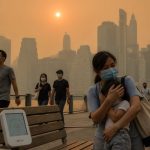
A deadly message from the Canadian north arrived in our air this week: smoke so thick it grounded commutes and sickened children across the Midwest and Northeast. While remote communities in Ontario smoldered and a First Nation was effectively wiped out, Prime Minister Mark Carney stepped to a microphone and pointed the finger south. That choice — blaming U.S. policy while Canadians burned — has turned a natural disaster into a diplomatic headache and earned sharp Republican pushback.
Carney Blames the U.S., While Communities Burn
At a press event in Ontario, Prime Minister Mark Carney told reporters that “climate change is everyone’s responsibility — truly everyone — including the United States.” His point: American energy policy and global leadership matter. Fine. But fine words don’t evacuate villages, thin forests, or protect homes. Meanwhile, the Namaygoosisagagun First Nation saw its homes consumed and survivors flee by boat. Chief Helen Paavola told reporters bluntly: “We lost everything.” Saying climate is a global problem while failing to secure the home front looks like deflection — and Americans watching their towns choke on cross-border smoke are not impressed.
U.S. Lawmakers Fire Back: Letters, Tariffs, and Sanctions Talk
American officials did not accept the finger-pointing. Four Michigan Republican members of Congress sent a blunt letter demanding concrete, funded plans for fuel reduction, prescribed burns, and accountability from Ottawa. Senator Bernie Moreno announced plans to draft sanctions, calling the smoke an “atrocity.” President Trump even floated adding costs tied to tariffs. This is not petty chest-beating. When tens of millions of Americans face public-health warnings because of another country’s policy failures, a political response is expected. Bluster from a podium won’t reduce smoke or bring back razed homes.
The Real Issue: Forest Management, Not Just Diplomacy
Here’s where the argument gets practical. Canada’s wildfire response is mainly provincial, and federal coordination happens when provinces request help. That means Ottawa can’t instantly act as a national fire brigade — but it can fund long-term mitigation. Experts and local leaders have warned for years about under-investment in thinning, prescribed burns, and community protection. If you stop doing the steady work that prevents catastrophic fires and then lecture the world on emissions, expect a lot more smoke and a lot less public patience.
Accountability Over Talking Points
Republicans are right to demand answers, not platitudes. Ottawa owes Canadians and Americans a clear plan: measurable investments in fuel reduction, better coordination across provinces, transparent timelines, and real accountability for failures on the ground. If Prime Minister Carney wants to lecture the U.S., fine — but first make sure Ottawa shows up for its own people. The choice between moralizing on the international stage and protecting citizens at home is not complicated. Communities living under smoke, and the lawmakers who represent them, will remember which leaders chose action and which chose talking points.