admin
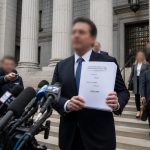
Mayor Zohran Mamdani’s announcement to disband the NYPD’s Strategic Response Group (SRG) was never going to be quiet. He kept a campaign promise and pulled a high-stakes lever in a city that still remembers 9/11. The move to replace part of the SRG’s protest-response role with a civilian-led Community Dialogue and De‑escalation Division — while shifting counterterrorism work into existing intelligence units — has conservatives, police leaders, and Representative Brandon Gill loudly warning that New York just made itself less safe.
What Mamdani actually did and said
The mayor publicly declared, “We are disbanding the SRG,” and framed it as a separation of protest policing from counterterrorism. City Council Member Chi Ossé echoed him, saying government must both protect constitutional rights and keep communities safe. The administration says SRG officers will be reassigned, counterterrorism work will move into the NYPD’s Intelligence and Counterterrorism Bureau, and a civilian Community Dialogue and De‑escalation Division plus a First Amendment Support Team will handle protest dialogue and de‑escalation.
Why critics—rightly—sound the alarm
Representative Brandon Gill reacted on national TV, calling the move “the modern‑day Democrat Party” and arguing it weakens a key tactical asset. His concern is straightforward: specialized tactical units are not theater. They provide rapid, trained response when ordinary patrols and mediators can’t stop violence or a complex attack. With real threats still discussed in intel circles, critics argue this is the wrong time to shrink an organized, experienced capability and hope paperwork and reassignment fill the gap.
Political promise versus public safety
Yes, Mamdani campaigned on this. That explains the timing. But keeping a campaign pledge and governing responsibly are not the same thing. Supporters applaud limits on militarized protest policing. Opponents point out the SRG did more than crowd control. Call it accountability or call it political theater — but when public safety is the line item, you don’t get extra credit for good intentions if the plan creates new risk.
What people should watch next
The next few weeks will tell whether this is a smart reorganization or a costly experiment. Watch who staffs the civilian dialogue unit, whether mediators are armed or supported by immediate tactical backup, how quickly counterterrorism capacity is actually reassigned, and what the police unions and federal partners say. If this is transparency and a careful handoff, show us the briefings and the staffing charts. If it’s a headline and a hollowing out, New Yorkers will pay the price.
Mayor Mamdani deserves credit for tackling protest‑policing concerns. But credit ends where complacency begins. New York can protect free speech and keep citizens safe at the same time — if leadership treats both as equally urgent. Right now, the city owes New Yorkers one thing above all: a practical plan, not a promise box checked on camera.