admin
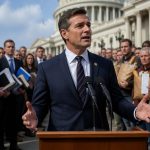
Immigration and Customs Enforcement carried out a targeted operation in the small town of Victor, Idaho, and arrested a Salvadoran national whom DHS says is tied to the MS-13 gang. The man, identified by Department of Homeland Security and ICE as Danny Jose Parada‑Mendez, faces alleged charges in El Salvador for things like membership in a terrorist organization and deprivation of liberty. Secretary Markwayne Mullin publicly praised ICE and framed the arrest as the kind of enforcement Americans expect when government prioritizes public safety over open borders.
What happened in Victor, Idaho — ICE arrest and MS-13 allegations
ICE Enforcement and Removal Operations (Salt Lake City) says agents arrested Danny Jose Parada‑Mendez during a targeted enforcement action in Victor. DHS and ICE released a statement saying Parada‑Mendez has a criminal history in El Salvador that ties him to MS‑13 and lists foreign charges; those are allegations reported by DHS/ICE. He remains in ICE custody pending removal. Local officials in Victor have not been widely quoted, and public foreign court records were not published with the DHS materials, so the El Salvador charges are what the agency says they are.
Why this arrest matters for immigration enforcement and public safety
This case shows why targeted ICE operations matter, especially in small towns. Victor is a tight‑knit community. Residents there expect law enforcement to protect neighborhoods and children. When DHS and ICE remove people who are alleged to have violent gang ties abroad, it reduces risk and sends a clear message that sanctuary by default is not the law. Secretary Mullin’s statement framed the arrest as proof that the department will put safety first — a message many Americans elected leaders promised but too often did not deliver.
Media, politics, and the open‑border double standard
Secretary Mullin called out what he called a media double standard — that some outlets label people “non‑criminal” simply because they lack a U.S. rap sheet. Call it what you want: wishful thinking or political convenience. The real problem is policy that makes it easy for dangerous people to slip in and hide behind legal ambiguity. Conservatives want law enforcement to follow through. Conservatives want removals when people are alleged to pose a threat. Mocking the press for playing minimize‑the‑threat is fair, because Americans deserve honest reporting about public safety, not spin.
Bottom line: enforce the law and keep communities safe
This arrest underscores a simple point: borders matter and so does enforcement. ICE did its job in a small Idaho town and DHS made clear it will continue to prioritize removals of people it says have dangerous ties. Skeptics can demand paper trails from El Salvador — and that transparency is reasonable — but asking law enforcement to stand down until foreign records are posted online is a luxury we can’t afford when communities are at risk. If Washington wants safer streets, it should fund and back officers who remove violent threats, not excuse them away.