admin
admin
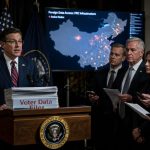
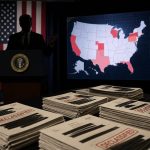
President Donald Trump took over the airwaves in a primetime White House address and dropped a bomb: the administration released declassified documents that it says show Chinese actors acquired roughly 220 million U.S. voter files and that career intelligence officials hid the reporting. If you like exam‑time surprises, this one is a doozy. Whether you call it a breach of national security or proof of election theft depends on what you want to believe—but the questions now are real and urgent.
What President Trump revealed in the declassified documents
The White House package and the President’s remarks center on two big claims: one, that Chinese actors “illicitly acquired” about 220 million U.S. voter files containing names, addresses, phone numbers and party data; and two, that parts of the intelligence community buried or redacted reporting about that activity, even during the 2020 cycle. Mr. Trump also said some raw intelligence indicated efforts to manufacture illegal ballots and that career officials ran a “shadow government” that kept the president and the public from knowing. The administration has asked the FBI, the ODNI, the DOJ and other agencies to investigate and to consider criminal charges where warranted.
Why the voter‑file theft claim matters
Voter files vs. vote flipping — two different problems
Stealing or buying voter files is a huge deal. Voter files let bad actors target people, harvest identities, and run precise influence campaigns. That exposure is a national security problem and should frighten any sensible person. But there’s an important distinction reporters keep making: having voter files is not the same thing as flipping certified ballots or rewriting vote totals. A 2021 intelligence assessment said there was no public evidence foreign actors altered technical vote counts in 2020. The new declassification complicates that picture and demands hard answers from agencies, not hand‑waving from the folks who claim to protect us.
Skeptics, the press and the intelligence cover‑up question
Mainstream outlets are rightly cautious about headlines that leap from “voter files taken” to “election stolen.” Still, caution should not become cover for silence. Networks that balked at airing the speech live owe viewers an explanation for their selective courage. Meanwhile, the intelligence bureaucracy owes the American people a full, unredacted account: who knew what, when, and why some reports allegedly didn’t reach the president or Congress. If career officials withheld material to score political points or protect reputations, that is a scandal. If the White House overstated the docs, the critics should say so plainly. We need documents, not spin from either side.
What must happen next — investigations, audits and real election security
Policy and law follow facts. Demand that Congress hold hearings, insist that ODNI and the agencies produce clear, indexed files, and push state secretaries of state to say whether their voter rolls were accessed. Fixes are simple to state and hard to resist: voter ID, paper‑backed ballots, routine audits, and locking down state voter databases so foreign actors can’t treat them like open candy jars. Mr. Trump’s claims are explosive; they should be answered with swift, transparent investigations — not partisan shouting matches. America’s elections deserve better than secrecy, spin, and the soul‑sapping hobby of summoning scandal while leaving the crime scene untouched.