admin
President Donald Trump used the light-hearted backdrop of the annual turkey‑pardoning to make a serious point: the nation’s air traffic control system needs a rebuild. After a rare nationwide FAA ground stop earlier this month, the President said his administration will press Congress for money to modernize the “antiquated” telecommunications that keep our skies moving. That pledge deserves attention — and some hard questions about who will pay and who will be held responsible.
Trump: Rebuild the air traffic control system
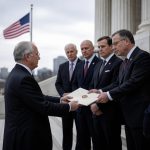
At the turkey‑pardoning, President Trump called the air traffic control system “57 years old” in places and said the plan is to rebuild it for airports, stressing that it is “totally safe” while they move deliberately. He tied the promise to the recent nationwide ground stop and urged Congress to fund an upgrade. Using holiday pageantry to headline a policy push is political theater, sure — but the message is straightforward: the FAA’s telecom backbone needs serious attention.
What triggered the nationwide ground stop?
Investigators say the outage was linked to telecommunications maintenance and new equipment installations at FAA centers — not a hostile cyberattack, according to DHS Secretary Markwayne Mullin. Reports point to contractor work that moved copper lines to fiber and involved router installs; some installations have been paused pending probes. Names like L3Harris and equipment makers such as Juniper and Cisco have come up in coverage. The core question now is technical: was it defective hardware, a botched configuration, or a design that lacked proper redundancy?
Funding, oversight, and accountability
The President’s call for money from Congress is the predictable next step. Conservatives should support modernization — but not a blank check. If federal contracting, upgrades, or sloppy installs caused a nationwide halt to travel, Congress needs to hold hearings, demand inspector‑general reports, and require tighter oversight of vendors. Modernization must come with contractor accountability, stronger procurement rules, and proof that new systems won’t repeat the same mistakes under the label “upgrades.”
Why travelers should care — and what comes next
Passengers felt the disruption first-hand during a busy travel season, and public confidence matters. Transportation Secretary Sean Duffy says the administration is “working around the clock” to keep people moving, but words won’t fix broken circuits or misconfigured routers. The next steps are clear: finish the technical probe, press vendors to answer for any failures, and get a concrete, funded plan to modernize FAA telecommunications — fast, but smart. The American people deserve safe travel, honest answers, and a plan that delivers both.