admin
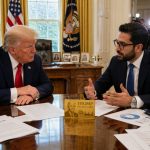
In a surprising twist this week, Nvidia’s board quietly put Jensen Huang back in as CEO after he had stepped down amid scandal. Reports say President Trump intervened with the board. The decision has set off a firestorm in Washington, with top Republicans demanding answers about national security, China, and how a global tech giant makes decisions when the stakes are this high.
Trump’s intervention and the board’s sudden reversal
The board’s about‑face came after what insiders describe as direct contact from President Trump. That kind of White House involvement in corporate governance is unusual, to say the least. It raises two immediate questions: did the board get meaningful assurances about the alleged security risks, and why did the board reverse course so quickly? Corporate governance and national security are now colliding, and the public deserves clarity — not a PR statement and a shrug.
Megaspeed, missing chips, and the suspected Chinese asset
The bigger problem is not office drama. It’s the report that Huang had an affair with a woman tied to Megaspeed — a firm under federal scrutiny — and that advanced Nvidia chips may have been diverted to China. These GPUs drive the most powerful AI systems. If chips meant to stay out of hostile hands were routed overseas, that is a national‑security scandal, not a boardroom romance. Senator Tom Cotton warns this could be “just the tip of the iceberg,” and he’s right. We shouldn’t treat potential intelligence compromises like a slow news day.
Republicans rightly demand congressional oversight
Former House Speaker Newt Gingrich put it bluntly: “There is something profoundly wrong.” Senators and House leaders from both defense and intelligence panels are calling for hearings and testimony. Senator Pete Ricketts says Huang must still answer to Congress. Senator Kevin Cramer wants the strictest export controls. Even Commerce Secretary Howard Lutnick is set to explain why Megaspeed wasn’t blacklisted sooner. These are the kinds of questions Capitol Hill exists to ask.
What Washington and Nvidia must do next
First, Congress should hold clear, public hearings with sworn testimony. Subpoenas are not political theater if national tech advantage is at risk — they’re necessary. Second, federal agencies must explain whether rules were enforced and why gaps existed. Third, Nvidia’s board should provide full transparency about what assurances, if any, it received from the White House. And finally, if wrongdoing is found, export controls and penalties must be tightened fast. We can cheer strong CEOs and American tech, but patriotism isn’t served by ignoring potential security failures.