admin
admin
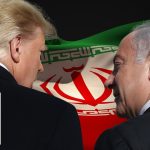
Israel and Iran traded missile and air strikes in a sharp flare-up, then—after pressure from Washington and loud public warnings—both sides announced a pause. This “holding fire” moment is being called a fragile ceasefire, and rightly so. Any real peace will take more than headlines and a few polite tweets. Key words: Israel Iran ceasefire, missile strikes, pause, Trump, Netanyahu, petrochemical, energy facilities, de‑escalation.
What happened — and why the headlines matter
Iran launched ballistic missiles at Israel in what was the first direct exchange since a fragile April ceasefire. Israel answered with airstrikes that hit military sites and at least one petrochemical complex Tehran says had civilian uses. Iran’s joint military command said it had “delivered a painful response” and then announced its operations were halted. Prime Minister Benjamin Netanyahu said Israel was “holding fire at the moment,” while reserving the right to strike back if attacked again. Those are the facts. The rest is posture and messaging.
Why this pause is fragile
Both sides made clear this is a tactical pause, not a peace treaty. Iran warned that any Israeli action in Lebanon would bring “more severe and crushing measures.” Israel, for its part, stressed its full right to self-defense. Add in active proxies — Hezbollah in Lebanon and the Houthis in Yemen — and you have a dozen flashpoints that can reignite a broader fight. A pause won’t hold if one side thinks it can gain by pushing a line. That’s how small sparks turn into regional fires.
America’s role — Trump called for restraint
President Donald Trump publicly urged both sides to “immediately stop ‘shooting,’” and pressed for restraint behind the scenes. Good. U.S. pressure helped create the breathing room we have now. But don’t mistake restraint for weakness. The job ahead is to translate that pause into real diplomacy and deterrence — not to let the region simmer until the next provocation. If Washington doesn’t back words with a clear posture, the pause will evaporate.
Why hitting petrochemical and energy sites is a dangerous escalation
Both sides struck industrial and energy facilities, and that’s not petty theater. Targeting petrochemical plants risks civilian livelihoods, global energy prices, and wider economic fallout. It also lowers the bar for what counts as an acceptable target. When wars expand into the economy, the pain spreads far beyond soldiers and generals. The West and regional leaders should be alarmed that economic infrastructure is now on the battlefield.
Bottom line — a pause, not a peace
We should welcome any break in the shooting. But let’s call it what it is: a fragile, conditional pause. Iran’s leadership and military commanders are posturing. Israel is ready to strike back. President Trump has pushed for calm, and that matters — but real stability will take tough diplomacy and credible deterrence. Americans and allies should watch closely, push for real solutions, and not pretend a few interrupted volleys equal lasting peace. If you think this ends here, you’ve been reading wishful thinking instead of history.