admin
admin
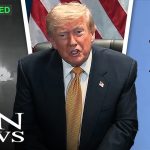
President Trump stunned the NATO summit in Ankara by ordering Secretary of the Treasury Scott Bessent to “cut off all trade” with Spain. It was raw, direct and unmistakable: the United States will no longer tolerate free-riding allies who dodge defense commitments and refuse to back American security needs. Love the theater or hate the tone, this was a message with teeth — and Brussels is squirming.
Trump’s Order at the NATO Summit
At a public briefing alongside NATO Secretary General Mark Rutte, President Trump told Treasury Secretary Scott Bessent to stop trading with Spain and said bluntly, “we don’t have to trade with them… take it immediately, don’t even talk to them. They’re hopeless, bad people.” The president’s gripe is not new: Spain has resisted higher NATO defense-spending targets and refused to assist U.S. operations tied to the conflict with Iran. This was a clear escalation — not a policy memo hidden behind closed doors — and it put every ally on notice that words alone no longer cut it.
Legal and Practical Roadblocks
Before anyone starts popping champagne in Madrid, reality bites. The president’s power to impose a sweeping, country-specific trade embargo is limited by law and recent court rulings. The Supreme Court trimmed presidential emergency tariff authority earlier this year, and the European Union runs trade policy for its member states. That means a one-off U.S. embargo on Spain would be messy, legally risky and likely to require cooperation from other U.S. agencies and Congress. Still, messy is not the same as impossible — targeted sanctions, export controls, energy restrictions or specific tariffs can be used to squeeze Madrid without breaking trade law in one dramatic stroke.
Why This Matters for NATO, Energy, and American Leverage
This episode exposes deeper problems in the alliance. NATO needs reliable partners who meet defense commitments and support shared security decisions. Spain’s recent refusal to allow U.S. use of bases for Iran-related operations and its choice to cling to low defense spending put it on the wrong side of that bargain. Economically, Spain imports a chunk of American LNG and other goods, which gives the U.S. leverage Madrid would rather not test. The IBEX dropped on the news — markets hate uncertainty. If Washington plays its hand smartly, it can turn political heat into practical gains without wrecking transatlantic commerce.
What Comes Next
Expect Brussels to posture and Spain to play down the crisis, but don’t mistake bluster for strategy. The White House must spell out the legal route it plans to take, and Congress should be ready to back stronger tools to hold allies accountable. If Trump wants NATO to stop being a free-for-all subsidy program, threats must be backed by credible, enforceable action. That means careful, targeted measures — not empty theatrics — and the courage to see them through. Allies who value our partnership will change their behavior. Those who don’t will find that America can walk away from bad deals and still win.