admin
admin
President Donald Trump’s blunt declaration that the U.S.–Iran memorandum of understanding (MOU) — the shaky ceasefire framework — is “over” has changed the tenor of this crisis. His words in Ankara, the renewed strikes on Iranian-linked targets, and reporting about an alleged Iranian assassination plot have pushed the standoff out of diplomatic limbo and back into hard power. Whether you cheer or cringe, the message is clear: the pause that never was has collapsed and America is back to using force and blunt talk to protect its interests.
Trump says the MOU is “over” — and he means business
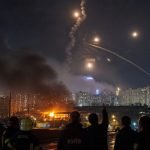
The president told reporters at the NATO summit that, in his view, the MOU is finished, calling Iranian leaders “scum” and “sick people.” That kind of language is headline-grabbing, yes, but substance matters more: U.S. forces have responded to attacks on shipping and bases with strikes. Markets and oil prices reacted—because the Strait of Hormuz is not a talking point, it’s a choke point. Saying a ceasefire is dead and immediately backing it with military pressure tells our friends and enemies that America will not be the world’s passive babysitter once again.
Assassination intel: handle with caution, act with resolve
Reports surfaced that Israeli intelligence shared claims of a new Iranian plot to assassinate President Trump. Journalists have properly noted those claims are being vetted and not all details are public. We shouldn’t treat an unverified tip like gospel. That said, even the possibility of a plot against the commander-in-chief changes the calculus — it demands serious, public deterrence. If adversaries believe assassination is on the table, deterrence must be unmistakable. Politics and spin should not get in the way of protecting the president and American forces.
Finish the job — and make it count
We already downed Iran’s first two leadership tiers. If the MOU collapse proves anything, it’s that half-measures and endless frameworks won’t stop this regime. The options are simple: keep letting Iran chip away at the rules of the road, or press the advantage until the ayatollahs can no longer project violence regionally. That means clear military objectives, shielding shipping lanes like the Strait of Hormuz, empowering Israel to neutralize Hezbollah, and squeezing the regional patrons who play both sides. Yes, there will be short-term costs at the pump. Welcome to national security — if we won’t endure a little discomfort now, we’ll pay a lot more later for the peace we never had.
President Trump has moved the United States out of diplomatic shadow boxing and back into decisive posture. He should now do two things: make sure any retaliatory authorities and procedures are lawful and transparent to allies, and then see the mission through with the same confidence he showed in Ankara. Hesitation and hedging handed Iran its opening; resolve and clear aims will take it away. The voters may grumble about gas prices — that’s politics — but leaders must sometimes put country over comfort. This is one of those times.