admin
admin
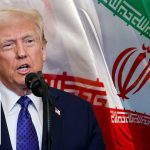
President Donald Trump says a memorandum of understanding toward a U.S.–Iran peace agreement has been “largely negotiated,” and the FAA’s public NOTAM/TFR listings show Camp David’s airspace under VIP restrictions. Put those two facts together and you get a credible hint: something big is happening at the presidential retreat. That doesn’t mean the ink is dry, but it does mean the adults in the room might be trying to end a costly, dangerous chapter in the Middle East.
What the President Said — and What It Could Mean
President Trump publicly posted that an “Agreement has been largely negotiated,” and he pointed to talks that include reopening the Strait of Hormuz. Major outlets have carried his statement and noted calls with regional leaders and with Prime Minister Benjamin Netanyahu. If true, reopening the strait would be a practical win: free navigation is vital for global trade and energy markets, and it would relieve pressure on allied shipping and navies.
Camp David Airspace Lockdown
FAA NOTAMs Show a VIP Movement — That’s Not Small Talk
The FAA’s Temporary Flight Restrictions (TFRs) for Thurmont, Maryland — where Camp David sits — are flagged as “VIP” movement. Those NOTAM entries are public records: when the president hosts a meeting, the FAA typically issues a TFR to protect the area. A TFR doesn’t list the guest list or the agenda, but it does confirm authoritative, high-level activity at the presidential retreat that lines up with the timing of Mr. Trump’s announcement.
Don’t Treat a Tweet Like a Treaty
Here’s where we get practical. Iranian officials and mediators are pushing back, saying progress is real but no final deal is signed. That’s important. The difference between a “largely negotiated” memorandum and a binding agreement is enormous — for verification, for enforcement, for U.S. and allied security. Conservatives should want to see the text, the verification mechanisms, and the guarantees before celebrating a headline.
Why Conservatives Should Care — and Be Skeptical
Peace is worth pursuing. Ending American involvement in hostilities, protecting shipping through the Strait of Hormuz, and reducing risks to our troops and allies are all goals Republicans can—and should—support. But this moment also calls for muscle memory we seem to have lost: insistence on verification, strong terms about missiles and proxies, and clarity about who enforces the deal. Until the White House publishes the full terms and Iran’s leaders put signatures to paper, treat the combination of Mr. Trump’s post and Camp David’s TFR as promising smoke — not proof that the fire is out.