admin
admin
President Trump rolled into Gastonia to headline a high‑stakes campaign rally for Republican Senate nominee Michael Whatley. The message was simple: the national GOP is playing hard in North Carolina, and the president wanted to make sure voters there heard it loud and clear.
Trump headlines Gastonia rally for Whatley
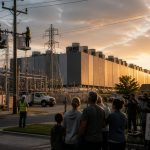
The event took place at the Gastonia Municipal Airport, with heavy traffic and staged road closures announced by local authorities. President Trump arrived on the tarmac and spoke to a packed crowd in the evening, repeating his usual themes on border security, the economy and conservative judges. Michael Whatley stood alongside him, thanking the president and calling him the ally North Carolina needs in the Senate. Attorney General Todd Blanche also addressed the crowd, a striking sign of how national figures are being deployed to shore up this key race.
Tarmac remarks and local color
Trump told reporters as he arrived that Whatley will “bring us back to sanity,” and then pressed hard on attack lines aimed at Democrat Roy Cooper. Whatley vowed to “fight every single day for the people of this great state,” and the crowd cheered. Local outlets covered the traffic snarls and security measures, showing that these events do double duty: they rally the base and force real attention on the ground in a battleground state.
Why the White House showed up
This wasn’t a routine stop. Polling in North Carolina shows Democratic nominee Roy Cooper leading by clear margins in several likely‑voter surveys, and Whatley trails in fundraising. The seat is open after Sen. Thom Tillis chose not to run again, so national Republicans see this race as essential to holding or regaining Senate control. That explains why the president and top party figures have made this a priority stop — turnout, name recognition and national money can still move a close contest, and Trump’s presence is meant to turbocharge all three.
Controversy, fact checks and the campaign test
No campaign visit comes without noise. Reporters raised a recent controversy about a pastor who prayed at a Whatley stop and was later identified as a registered sex offender; the campaign says Whatley didn’t know the pastor. Journalists also flagged several attack lines that local fact‑checkers disputed. None of that will surprise anyone who follows politics, but it does put a premium on discipline: if Republicans want to convert Trump’s energy into votes in North Carolina, Whatley’s team must get messaging tight, shore up fundraising and turn out the base — not just lean on prove‑it‑later claims. The president’s stop was a boost, no question. Now the campaign has to finish the job at the ballot box.