admin
admin
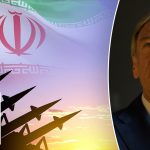
America’s military struck into Iran again — deliberate, public, and pitched by the White House as both punishment and leverage. Fox primetime ran with it: urgent anchors, clipped commentary, and the president’s blunt promise broadcast straight to millions. Below, hear the feed and then read what this actually means for the country.
What the Pentagon did and why it says it mattered
U.S. Central Command says American forces carried out self‑defense strikes inside Iran aimed at military surveillance gear, communications nodes and air‑defense positions. The military is framing this as targeted, surgical pushback after a recent theater of incidents — including an Army Apache helicopter being downed and its crew later rescued. That sequence is the kind of tit‑for‑tat escalation that looks precise on a press release and dangerous on the deckplates of a carrier group.
Presidential bluntness, Pentagon signals
President Donald Trump spoke directly to Fox’s Trey Yingst and didn’t mince words: according to that interview, Iranian officials called the president asking the strikes to stop, and he warned — in language Fox reported — “We’ll bomb the s*** out of them tomorrow night” if Tehran didn’t accept U.S. terms. Secretary of Defense Pete Hegseth echoed the tough posture, saying the follow‑on strikes would be “strong and clear” and that “CENTCOM will be busy.” Translation: this administration prefers pressure and the visible threat of force as tools in negotiations.
What ordinary Americans will actually feel
This isn’t just a game for generals and talking heads. When the U.S. fires into Iran, global oil markets tighten, tanker insurance rates climb, and grocery bills and gas pumps get the bill. Sailors, pilots and soldiers are on the line; families at bases in the region know the stakes in their bones. And for the average voter, the question is simple: do you want a foreign policy that stops threats quickly, or one that risks open‑ended conflict because the rhetoric sounds strong on cable?
Politics, precedent and a hard question
There’s also a constitutional and political problem nobody in primetime can dodge: who authorizes war? Presidents can and should defend American forces, but public threats and repeated strikes without clear congressional backing set a dangerous precedent. Some conservative voters cheer the toughness — and rightly want enemies deterred — but others worry this could spin into a widening war with no clear exit. So here’s the hard, quiet question the networks won’t answer between sound bites: are we prepared to pay the price, in cash and blood, for a policy whose next move could be decided on a late‑night phone call?