admin
admin
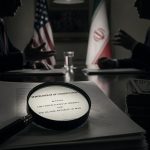
Vice President JD Vance made the rounds this week defending the White House’s memorandum of understanding with Iran. He told CBN that the framework can be “good for the people of Israel” and useful for America — if Tehran actually does what it promises. That’s a big if. The deal is being sold as a pause, not a surrender. But pauses can become permanent, and promises from Tehran have a poor track record.
Vance’s Pitch: A Chance to Test, Not to Trust Blindly
Vice President JD Vance repeatedly told interviewers he doesn’t trust anyone completely — including Iran. His point is that this memorandum (MOU) creates a short, performance‑based window to see if Iran will change behavior. He argues we should try verification and inspections first, and keep military options on the table if Tehran cheats. That sounds sensible in theory. But sensible words need hard checks: clear inspection rules, visible consequences, and fast retaliation if Iran backs out. Vague language and delayed punishments are how bad deals become bad habits.
What’s Actually in the Framework?
The public summaries say the MOU aims to reopen the Strait of Hormuz to commercial shipping, allow nuclear inspectors back under conditions to be negotiated, and tie sanctions relief to verifiable steps. Reporters also note a reported $300 billion private reconstruction fund for Iran — supposedly contingent on compliance and not U.S. taxpayer money. That fund idea should make conservatives uneasy. Who manages it? Who signed the dotted lines? Private money for rebuilding a regime that has sponsored terror and instability demands ironclad oversight and snapback penalties. Otherwise, it’s a welcome mat for more Iranian influence.
Why Israel and Hawks Are Worried
Prime Minister Benjamin Netanyahu and many security hawks in Washington are rightly skeptical. Israel says it wasn’t fully briefed and fears the framework could leave dangerous capabilities or create new leverage for Tehran. Conservatives who wanted to “finish the job” argue that a partial deal leaves the same problem for the next administration. Vance says the deal can be good for Israel if enforcement works. Fine. But we should judge by results, not by warm words. If the MOU relies on negotiations during a 60‑day technical phase, conservatives must demand public text, strict verification, and a plan for immediate consequences if Iran cheats.
The Bottom Line: Pause with Eyes Wide Open
Vance’s approach—test and verify before more blood is spilled—has merit. Republicans should support smart diplomacy when it truly reduces risk. But this administration must stop treating the MOU like a finished peace treaty. Publication of the full text, transparent oversight of any reconstruction fund, and a clear, enforceable inspection regime are nonnegotiable. If the White House wants conservatives and our Israeli friends on board, it needs proof, not platitudes. Otherwise this “pause” will look a lot like handing the ball back to Tehran and hoping for the best. And hope, as we learned the hard way, doesn’t keep missiles from flying.