admin
admin
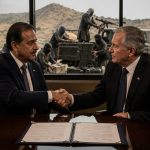
Vice President J.D. Vance walked out of talks with a pair of headlines that sound reassuring on their face: International Atomic Energy Agency inspector access to Iran and an agreement to keep the Strait of Hormuz open. Fox News contributor Dan Hoffman called it “a tricky place to be,” and he’s right — the shape of these promises matters more than the photo op that accompanied them. This isn’t just diplomatic theater; it’s about who watches what, when, and whether the United States is willing to enforce the rules that follow.
What was actually announced — and why wording matters
The administration headline is simple: IAEA inspectors will have access and the critical shipping lane through the Strait of Hormuz will remain open. But those are paper promises until the inspection protocols, timelines and enforcement mechanisms are spelled out. Access can mean scheduled visits after long notice, or it can mean immediate, unannounced inspections with full data sharing — those are very different outcomes for nuclear verification and regional security.
Why this is a tricky place to be
Iran has been adept at exercising the wiggle-room in past agreements: delaying, denying, or drawing out inspections until the trail goes cold. An “open” Strait of Hormuz is welcome in theory, but what does open mean when Iranian proxies and drones keep threatening merchant shipping? You can score a diplomatic point without fixing the underlying problem: inspectors who arrive to find scrubbed sites, sailors who are still under threat, and oil markets that spike when things smell unstable again.
Real consequences for ordinary Americans
Don’t tune out because it sounds remote. Higher shipping risks mean higher insurance bills and higher gasoline prices for families already stretched thin. Our sailors and coalition partners will be the ones left to bully back threats in the water, not diplomats in suits — that’s a human cost that shows up in deployments, injuries, and the toll on military families. Meanwhile, giving any legitimacy to the Iranian regime without ironclad verification gives Tehran leverage at home and with its proxies across the region.
The choice ahead
Diplomacy is necessary, but it’s not a substitute for toughness. If the administration wants Americans to trust this deal, it must demand immediate, unannounced IAEA access, real-time data sharing, and clear, automatic penalties the moment Iran cheats. Otherwise we’ll be applauding headlines while paying the bill at the pump and sending more kids to watch a choke point for a country that’s shown it knows how to play for time. Which will our leaders choose: posture that protects, or platitudes that placate?