admin
admin
The Middle East is heating up again, and this time the world is watching waves of strikes bounce between Washington and Tehran. The CBN clip below shows some of what is happening, but this crisis is bigger than a TV sound bite. Americans need clear answers and a firm plan, not spin and wishful thinking.
What happened: strikes, counterstrikes, and rising danger
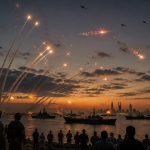
This week, U.S. forces launched multiple strikes against targets linked to Iran. Tehran answered in kind, hitting U.S. targets and allied positions in the region. The back-and-forth has already raised the risk to American troops, to our partners in the region, and to global trade routes. That’s the plain truth: when you trade diplomacy for escalation, everyone feels the shockwaves.
Why this matters for regional security and Americans at home
These strikes are not isolated headlines — they have real consequences. Oil markets react, shipping lanes get riskier, and emboldened militias smell weakness. More importantly, U.S. troops and allies are again put in harm’s way. If the goal is deterrence, it only works when our adversaries believe we can and will follow through. Hesitation or mixed messages invite more attacks, not fewer.
What the administration should do now
Washington must stop treating this like a cable-news chess match. First, give the public clear, honest information about objectives and risks. Second, shore up support for Israel and our regional partners with concrete military and intelligence assistance. Third, press economic pressure where it hurts Iran — and keep it on until Tehran changes behavior. Congress should hold hearings, not photo-ops, to ensure there’s a real strategy behind the strikes. Our troops deserve a plan, not improvisation.
Final thought
Waves of strikes on Iran are not a game; they are a test of American resolve. We can choose steady, smart strength that protects our people and our allies — or we can muddle through and let the next crisis surprise us. For the sake of peace, and for the sake of deterrence, let’s pick leadership over lullabies. The region — and the world — depends on it.