admin
admin
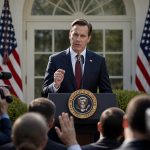
At the 25th‑anniversary reading at the National September 11 Memorial, Terry Strada — a widow and national chair of 9/11 Families United — stepped off the script and did what too many politicians have avoided: she demanded answers. She publicly asked President Donald Trump to release unredacted government files that families say could show Saudi Arabian involvement in the 9/11 attacks. The president said he would “look into” the request. That’s a start, but lousy answers and slow dances with allies are what got America here in the first place.
A bold plea at Ground Zero
Strada’s moment at Ground Zero was not a soundbite. She told the crowd plainly that “for 25 years, administration after administration…chose to protect the Saudis instead of standing with the 9/11 families.” Another family member amplified the demand, asking the president to “release the unredacted files that implicate Saudi Arabia while what’s left of the victims’ families are still alive to see it.” Those words landed at a high‑visibility event attended by senior officials, and they deserve a real reply — not the usual Washington deflection.
The legal moment that matters
What makes the families’ demand more than a moral plea is recent court action. A federal judge recently refused to dismiss the families’ civil suit and found plaintiffs had produced enough evidence to let the case move forward. That ruling is procedural — it does not prove guilt — but it keeps discovery and document production alive and gives families legal footing to press for records. Saudi Arabia is appealing, so the legal fight will continue. Still, the judge’s decision put more documents into play and more pressure on the White House to decide whether to declassify information.
Why “I’ll look into it” won’t satisfy America
The thin excuses Washington trots out
Officials cite national security, diplomatic concerns, and classified sources and methods as reasons to keep files under wraps. Fine. But those are not unlimited excuses to shield allies from accountability. The “28 pages” that were partially declassified years ago showed lead lines that still need answering. If we can churn out classified briefings for foreign leaders, we can manage a careful declassification review that respects real sources while giving grieving families the truth. President Donald Trump can order a prompt interagency review through ODNI, DOJ and State, or he can tell his press secretary to keep saying “we’re looking into it” until the headlines fade. Families deserve closure, not Washington theater.
What to watch next — and why the public should care
Watch whether the White House opens a formal declassification review and how fast it moves. Watch the court docket for the judge’s written opinion and Saudi Arabia’s appeal papers. Watch for any diplomatic protests from Riyadh — and remember that friendly ties don’t erase potential culpability. The families who read names at Ground Zero asked for truth. It’s time for the president to decide if he stands with them or with the long list of administrations that put diplomatic convenience ahead of answers. If this administration means what it says about putting America first, release the records or explain, plainly and publicly, why they must stay secret.