admin
admin
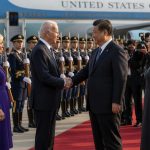
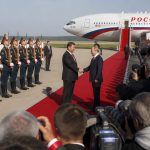
The headline is short and to the point: Treasury Secretary Scott Bessent said the United States and China have agreed to extend the Busan trade truce until January 10. That announcement came in a television interview after Bessent met with Chinese Vice Premier He Lifeng, and it arrived just as President Xi Jinping began a state visit to Washington. It buys two months of calm for global supply chains — but not much clarity.
Why the Busan extension matters for US-China trade and supply chains
The Busan agreement originally paused a series of tariff moves and eased export curbs on critical minerals and high‑tech goods that were threatening to choke world supply chains. Extending the trade truce means, for now, tariffs stay lower and shipments of rare earths and semiconductor inputs can keep moving. That is good for businesses and consumers who don’t want sudden shortages or price shocks — but it’s a temporary patch, not a fix.
What we still don’t have: a binding deal or written proof
Here’s the uncomfortable truth: Bessent’s announcement came on camera, but reporters have not found a formal joint statement or text spelling out new terms. Two months “to see what we can do” sounds nice, until you remember that promises without written, enforceable language are just talk. If the administration expects the American public and private sector to trust this truce, they owe us details — what will China actually deliver on purchases, on financial‑services access, on verification and enforcement?
Political theater, not diplomacy — and why timing matters
Rolling out an extension while Xi Jinping is feted in Washington smells of stagecraft. A state visit is theater by design; a two‑month pause announced on camera feels like a curtain call. The stakes are high: critical minerals and tech controls are national‑security issues, not props for photo ops. Americans deserve firm, enforceable commitments — not open‑ended goodwill gestures that could unravel when political winds shift.
Call this what it is: a useful breathing spell, not a victory lap. Markets and manufacturers will welcome the relief, but Congress and the public should demand a written, verifiable agreement with teeth. If the Busan extension becomes a bridge to a stronger, enforceable US‑China trade deal, fine — but don’t be surprised if two months turns into another round of vague promises. Stay skeptical, and insist on facts, not applause lines.