admin
admin
President Donald Trump met President Xi Jinping planeside at Joint Base Andrews and rolled out the red carpet. The pictures are dramatic: a long carpet, an honor guard, and two presidents greeting each other before a state visit. Reporters and critics instantly called it either a humiliating concession or a brilliant bit of theater. The truth is simpler — and smarter — than both sides want to admit.
Tarmac welcome: spectacle with a purpose
That rare planeside greeting matters because imagery matters. In Chinese diplomatic culture, public ceremonies give “face.” Melania Trump put it plainly: “They have a great relationship. He’s coming on our soil, and we need to welcome them with the most respect.” Fine. A red carpet and a photo op cost the United States nothing but a few minutes of optics. Beijing will use the clip for domestic applause. So will U.S. allies and rivals watch closely to see whether that applause hides any real concession. Spoiler: it doesn’t have to.
Hospitality and pressure — a two‑track play
What the pictures don’t show is what the U.S. has been doing behind the scenes. Treasury Secretary Scott Bessent has been rolling out a hard economic posture — dubbed Operation Economic Outcast or “Economic D‑Day” in administration briefings — aimed at choking off illicit trade and third‑party lifelines to rogue states. Meanwhile, the U.S. and partners have moved to secure rare‑earth supplies and Arctic access. The planeside welcome is the smile in the headline, not the change in the policy. Hospitality and hard power can be used together: charm to keep talks open; pressure to protect American interests.
Don’t mistake ceremony for weakness
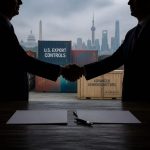
Opponents of this approach will scream that every friendly photo is a gift to Beijing’s propaganda machine. They’re not entirely wrong — Beijing will spin it. But savvy statecraft knows image and leverage are separate tools. A staged welcome doesn’t erase tariffs, export controls, or the diplomatic moves that recalibrate China’s reach in the Western Hemisphere and the Arctic. If the administration’s stated goal of “strategic stability” holds, then expect no wholesale rollback on tech safeguards, AI competition, or defensive support for Taiwan. A smile at the tarmac is not a surrender of those levers.
Bottom line: use the red carpet, keep the edge
Here’s the conservative takeaway: playing the game of dignity is smart when it keeps the other side talking — provided you don’t trade away the things that actually protect us. A red carpet shot makes for a good morning’s news and gives Xi a talking point back home. But the U.S. still controls the levers that matter: sanctions, export rules, military posture, and supply‑chain moves. If the administration walks into this summit with that toolkit intact, then let them take the photo. If they come back from talks with big, unexplained concessions, criticize away. Until then, a little pomp in service of leverage is not weakness — it’s diplomacy with a plan.