admin
admin
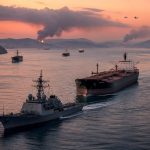
Iran tried to shout from the deck of its own propaganda ship and declare the Strait of Hormuz closed. CENTCOM answered: not so fast. The U.S. command made clear the strait remains an international waterway and that U.S. forces are on the scene to keep it that way — even after Tehran’s forces struck a commercial container ship and American forces struck back at Iranian military sites.
CENTCOM: Strait of Hormuz Open — Reality, Not Rhetoric
CENTCOM put the claim to bed with a simple, plain‑spoken message: Iran does not control the Strait of Hormuz and traffic is flowing. That matters. The waterway is a chokepoint for global trade and oil. When a regime that backs terrorism tries to pretend it can block the sea lanes, the response from the United States needs to be forceful and visible — and CENTCOM has been exactly that.
What Really Happened to the M/V GFS Galaxy
The flashpoint was the Cyprus‑flagged container ship M/V GFS Galaxy, which sustained heavy engine‑room damage and a fire after Iranian forces struck it near the strait. Most of the crew were rescued, but one Indian seafarer remains missing as rescue teams work to find him. That human toll is why this is not academic. Commercial mariners are not chess pieces — they are people, and the United States acted to deter more attacks.
U.S. Strikes: Precision, Scale, and Direction
At the direction of President Donald Trump, U.S. forces carried out a new round of strikes aimed at degrading Iran’s ability to threaten shipping. CENTCOM said the latest package struck roughly 140 targets, bringing multi‑night totals to more than 300 targets on Iranian military positions, missile systems, coastal defenses and fast boats. The intent was clear: impose costs and reduce the risk to civilian shipping in an anxious region.
Why This Matters: Oil, Commerce and Credibility
Beyond the headlines, the Strait of Hormuz is about oil and commerce. CENTCOM says it has helped facilitate over 800 commercial transits and hundreds of millions of barrels of crude since early May. Still, there’s a real gap between “officially open” and what insurers or shipowners will accept. That’s why showing credible force — not empty threats — is the right play. Iran’s chest‑thumping might make good state TV, but it won’t move crude or commerce when counted hands and bullets are on the table.
Bottom Line: Keep the Lanes Open and the Bluster in Check
If you prefer diplomacy, fine — but diplomacy backed by strength works. CENTCOM’s public rebuke of Iran’s closure claim was short and sharp: the strait is open and U.S. forces will ensure it stays that way. Tehran’s move was a test. The United States answered. For the sake of mariners, consumers and global markets, let’s hope the message sticks and the real work — keeping trade flowing — continues.