admin
admin
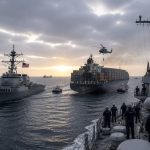
CENTCOM has put a clear, blunt line in the sand: the Strait of Hormuz is open, and the United States means to keep it that way. After a week of strikes designed to degrade Iran’s ability to threaten commercial shipping, U.S. Central Command announced that traffic is flowing and American forces are positioned to enforce freedom of navigation in the vital waterway.
CENTCOM: Strait of Hormuz Open and Secure
The military message was simple and unmistakable. CENTCOM declared the Strait of Hormuz open to lawful transit and warned that U.S. forces are prepared to ensure freedom of navigation despite “unwarranted Iranian aggression, harassment, threats, and arbitrary declarations.” The command even pointed to transit numbers — hundreds of ships and millions of barrels of oil moving through the corridor — to underline that the international waterway remains functioning under U.S. vigilance.
Precision Strikes to Degrade Iranian Capabilities
This announcement came on the heels of targeted operations that, by official account, struck more than 300 Iranian targets over several nights. About 140 targets were hit with precision munitions in one round, including missile and drone sites, naval facilities, ammo storage, and coastal surveillance. That kind of focused action is meant to blunt Iran’s ability to menace commercial mariners and shut down a global choke point.
Why the Strait of Hormuz Matters
Let’s be plain: the Strait of Hormuz is a bottleneck. Something like one-fifth of the world’s seaborne oil moves through there, so a closure would slam global markets and punish consumers. For decades the U.S. Navy has been the guarantor of free passage in vital sea lanes. CENTCOM’s recent operations show the same principle in action — freedom of navigation backed by force when necessary. Iran can make grand speeches, but rhetoric doesn’t refill tankers.
President Trump deserves credit for acting forcefully where past administrations talked. The message to Tehran is both practical and strategic: stop harassing shipping or pay a price that makes brinkmanship a losing bet. That’s deterrence, plain and simple, and right now it’s keeping the world’s energy and trade lifelines open. The next step is steady vigilance — not headlines — so merchants keep moving and the lights stay on around the globe.