admin
The Justice Department quietly dropped a stack of federal cases accusing non‑citizens of voting in U.S. elections. That’s real. The internet’s melodrama about Vice President Kamala Harris “having a panic attack” on camera in response? Not proven — and likely political theater, not breaking news. Let’s sort the facts from the performance pieces and ask some plain questions about law, fairness, and how the press covers both.
What the DOJ actually did — and did not do
The Department of Justice issued several press releases announcing prosecutions that “include voting by aliens in federal elections, false claims of U.S. citizenship to register or vote, and false statements on citizenship applications.” Those are federal complaints filed in different districts — Texas, Florida, New York and others — naming individuals accused of specific crimes. This is enforcement, not a single blockbuster raid. The cases are real, but they are discrete prosecutions, not a coordinated nationwide roundup at polling places. That distinction matters, even if cable news prefers bigger headlines.
The viral “panic” clip: smoke, mirrors, and unverified claims
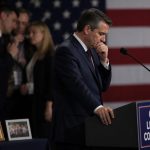
Social feeds lit up with a short clip claiming Vice President Kamala Harris “panicked” on camera after these arrests. Reliable reporting doesn’t back that up. There’s no verified timeline or credible source connecting a publicized medical or emotional event by the Vice President to the DOJ announcements. Short, out‑of‑context footage gets recycled into a narrative — and suddenly it’s “breaking.” If you’re going to accuse a sitting official of having a panic attack, the least the press and social platforms should do is demand the original video and a statement. Simple journalism, but apparently optional these days.
Why the cases matter — and why critics are worried
Prosecuting illegal voting is a legitimate job for the DOJ, and conservatives should welcome enforcement of federal law. Still, these actions raise real legal and civil‑liberties questions. Independent reporting and legal filings show such prosecutions are historically rare, flagged lists can produce false positives, and defendants are asking judges to test the statutes being used. Election officials and civil‑rights groups have complained about privacy and overreach. Enforcement without airtight evidence risks chilling voters and undermining confidence — which is exactly the opposite of what anyone claiming to defend election integrity should want.
Bottom line: demand facts, not theater
The DOJ’s indictments deserve scrutiny and should be fully litigated in court. The media and political actors, meanwhile, should stop hyping unverified clips as proof of a collapse. If Vice President Kamala Harris or her office has a comment, publish it. If the DOJ has more to show, release it. Voters get played when partisans substitute drama for detail. We want enforcement of the law and protection of the vote — not viral theater and manufactured panic. The truth is messier than a one‑second clip, and it’s worth the trouble to get it right.