admin
admin
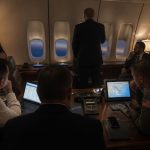
President Trump told reporters aboard Air Force One that new talks with Iran are scheduled to begin Monday, and that he called off planned military strikes to give diplomacy a shot. That’s the news line: diplomacy first, force kept in reserve. Whether that’s prudence or a perilous gamble depends on what comes next.
Why pulling back matters — and why it worries me
Calling off strikes to avoid civilian casualties and wider war is the responsible thing for any commander-in-chief to do. American parents don’t want their kids shipped off to another open-ended conflict because someone miscalculated. But there’s a thin line between prudence and giving the other side the upper hand at the bargaining table.
Iran is not a partner, it’s a rival that bankrolls proxies, kidnaps sailors, and has a documented history of cheating on nuclear agreements. When we sit down, our leverage matters — sanctions, military readiness, and the trust of regional allies like Israel all play into whether Tehran comes to the table seriously. If negotiations start Monday under the shadow of a suddenly softened American posture, ordinary Americans will pay the price later in the form of higher energy costs, emboldened attacks on our allies, or even renewed nuclear proliferation risks.
What real negotiations should look like
Negotiation isn’t surrender. It’s a straightforward checklist: verifiable limits on the nuclear program, intrusive inspections, an end to missile proliferation, and cutting off cash flows to terror networks. Anything less is lipstick on a wolf; we’ve seen this movie before.
House and Senate oversight should be part of the process — Congress holds the purse strings for sanctions and should not be sidelined. Veterans, small-business owners, and voters who’ve watched two decades of foreign entanglements deserve transparency, not backroom deals. If sanctions relief is on the table, it should be conditional, phased, and reversible the moment Tehran cheats.
The human stakes and the hard choice ahead
Think of the soldier on patrol, the family in Israel waking up to another rocket alert, the trucker paying more at the pump. Those are not abstract costs; they’re consequences of failed diplomacy or reckless war. A president can avoid war and still be strong — but strength requires clear demands, credible enforcement, and a refusal to normalize bad behavior.
So we’ll watch Monday, not with wishful thinking, but with a ledger. Will America demand verifiable change, or will it trade pressure for promises? That question will decide whether this pause buys us peace or just time for the other side to sharpen its advantage. Which is it going to be?