admin
admin
Washington just decided to get personal about what you eat. Agriculture Secretary Brooke Rollins and Health and Human Services Secretary Robert F. Kennedy Jr. have leaned into a coordinated push — branding it “Make America Healthy Again” — that retools the Dietary Guidelines for Americans 2025–2030 to put “real food” back at the center of federal nutrition policy.
What they’re proposing
The new Guidelines emphasize whole fruits and vegetables, higher‑quality protein, healthy fats from whole foods, whole grains, and even full‑fat dairy while calling out ultra‑processed products and added sugars for strict limits. Rollins says this is about “putting real food back at the center” and aligning federal food programs with American farmers and nutrient‑dense choices. In plain terms: the administration wants federal dollars to buy less soda and more apples, less sugary cereal and more whole grain bread.
How this will hit Main Street
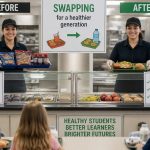
It isn’t academic — these Guidelines cascade into SNAP, WIC, school meals, and billions in procurement, so policy changes mean menu changes in cafeterias and checkouts. USDA is already approving state waivers that can restrict sugary drinks in SNAP and pushing a “Pledge for Healthier School Meals” to districts; that sounds fine until you talk to school cooks who are juggling budgets, pantry contracts, and picky kids. For working families, the promise of healthier meals is welcome, but so are reliable, affordable choices; if procurement and distribution don’t follow the rhetoric, hungry kids and overstretched school kitchens will feel it first.
Why people on both sides are raising a ruckus
Supporters cheer a return to less processed, more nutrient‑dense eating — farmers like hearing their crops are in federal view again — but critics worry about politicizing health agencies and the power to micromanage purchases for low‑income Americans. Secretary Kennedy’s appointment and the HHS shakeup have already set off alarms in the scientific community, and some public‑health groups warn these moves could sideline evidence‑based expertise. Expect lawsuits and congressional fights over SNAP purchase limits and over whether a cafeteria pledge becomes an unfunded mandate for cash‑strapped districts.
So where does that leave conservatives who actually care about results?
Call me old‑fashioned: I want Americans eating real food and farmers getting fair markets, but I don’t want a big, clumsy federal appliance telling families what to scan or school cooks what coupons to chase. If MAHA means smarter procurement, less junk in school trays, and better access to healthy foods without crushing choice or adding bureaucratic cost, sign me up. But if it becomes another top‑down program that privileges slogans over logistics, we’ll see the very people it claims to help left holding the bag — and the taxpayers picking up the tab; is Washington ready to manage that bill or just to blame someone else when school lunch lines lengthen?