admin
admin
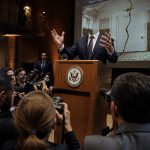
The State Department just hit the pause button on immigrant‑visa interviews at U.S. embassies and consulates around the world. Officials say the halt is so consular officers can get “in‑depth” training to apply a stricter public‑charge standard. For anyone waiting on a green card interview, that pause is not welcome news — and it has stirred both cheers from border hawks and outrage from immigration advocates.
What the State Department ordered and how it works
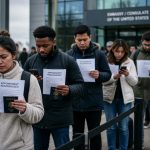
The department directed posts worldwide to reschedule immigrant‑visa interviews so staff can finish a new “global training initiative.” Many applicants already got emails saying their appointments were being moved and that new dates will be provided later. In practice, this freezes cases that were at the final interview step — the point where many family and employment green‑card seekers finally get cleared to come to the United States.
Why the training matters: public‑charge screening
The stated goal is straightforward: make sure consular officers can spot applicants who are likely to become a “public charge” — people who depend on taxpayer‑funded benefits instead of supporting themselves. The State Department put it bluntly: a more prosperous America means visa applicants should not be likely to become dependent on U.S. public benefits. The pause also lines up with a new federal public‑charge rule that regulators say will take effect in mid‑September, so posts are trying to get everyone on the same page before the rule is implemented.
Who’s praising it — and who’s panicking
Conservative lawmakers and immigration‑control advocates applaud the move as common‑sense enforcement. Senator Jim Banks said people who would rely on our public benefits should not get visas, and he thanked the administration for the pause. On the other side, immigrant‑rights groups and lawyers warn the last‑minute cancellations create real harm: travel and hotel costs, lost work time, and longer backlogs for cases that were already near the finish line. That’s predictable, but solvable — if the department manages scheduling sensibly and gives clear guidance.
The legal tangle and what to watch next
This training pause comes after a federal judge tossed out the State Department’s earlier nationality‑based visa suspension for 75 countries. That court ruling changed the landscape and likely explains why the department chose a global training route instead of a public, country‑by‑country policy shift. The key questions now are: how long will the pause last, will posts add new documentation or procedures at interviews, and how will adjudicators treat cases that were paused once interviews resume? Applicants and their lawyers should watch consulate notices closely and keep records of expenses and communications.
Let’s be clear: enforcing immigration law sensibly is not cruelty. It’s a duty. If the training helps consular officers make consistent, lawful decisions and stops people who would become burdens on American taxpayers from getting preferential entry, that’s good policy. But the administration must also move fast to limit harm to applicants stuck in limbo. Training is fine — but don’t let “in‑depth” turn into indefinite delay. The nation deserves enforcement that’s effective, fair, and fast enough to matter.