admin
admin
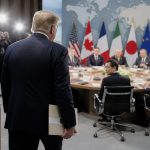
President Donald Trump surprised no one who watches him work when he told a Breitbart reporter at the G7 summit that he had “very good talks” with President Volodymyr Zelensky and President Vladimir Putin. He said he wants the fighting in Ukraine to stop and urged that “Russia should make a deal.” The comment is the freshest development from the Évian summit and puts Trump squarely back in the role of dealmaker on the biggest foreign policy stage still burning today: Ukraine.
What President Trump actually said at the G7
At the summit, President Trump told reporters he had spoken with both Zelensky and Putin and described those conversations as constructive. He repeated that he hopes to help end the war in Ukraine and that Russia “should make a deal.” Reporters on the ground said Trump met Zelensky on the sidelines and had phone contact with both leaders before arriving. European leaders urged tougher pressure on Moscow, but many also quietly asked the U.S. president to help convene talks — and Trump answered by saying he’d had “good” conversations and wanted to push for a diplomatic way out.
Why this matters — and why conservatives should care
Whether you like Donald Trump or not, a U.S. president actively pressing for diplomacy is not a bad thing. The G7 is where the West coordinates policy, and Trump signalling he’s ready to host or mediate talks changes the dynamic. European capitals want results, Kyiv needs security guarantees, and Moscow wants leverage. If the U.S. can use its clout to get both presidents to the table and tie any talks to real, verifiable steps, that could save lives and stop bleeding Western resources dry. Or, as Washington might put it bluntly, it’s time for diplomacy with teeth — not more endless rounds of declarations.
Will Putin agree? And what does Zelensky want?
The Kremlin has said it would consider leader-level talks and even floated Moscow as a possible venue. That’s openness, not a promise. Ukraine has been clear before: direct talks must come with security guarantees and concrete steps, not vague language and photo-ops. So the big question is whether President Trump can craft a deal that makes Russia see more gain in pausing the fight than in continuing it, while also satisfying Kyiv and NATO partners. That’s a tall order — but calling it impossible before the negotiations even start is the kind of defeatism that got us nowhere in the past.
What to watch next — and why the world should pay attention
Watch for an official White House readout, statements from the Ukrainian presidential office, and any Kremlin confirmation about a meeting place, conditions, or timeline. Also watch G7 communiqués on sanctions, air defenses, and aid — those will shape bargaining power. If Trump can turn “very good talks” into a real negotiating track, he deserves credit. If not, the promises will look like the usual summit rhetoric. Either way, the clock on this war keeps ticking, and the world should want a serious plan, not just headlines. Ending wars is hard work, but it’s better than the alternative — and if President Trump can make progress, conservatives should cheer a successful foreign-policy outcome instead of letting partisanship clip the wings of peace.