admin
admin
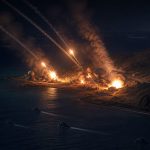
America just answered a string of attacks on commercial ships in the Strait of Hormuz with a heavy-handed response — precision strikes on scores of Iranian military sites and infrastructure. It wasn’t symbolic. It was aimed at stopping the next ship-burning headline before it becomes a full-blown regional war.
What the U.S. struck — and why
CENTCOM says U.S. forces hit roughly 80–90 targets along Iran’s southern coast and the islands that dot the Strait of Hormuz: coastal radars, anti-ship missile batteries, air-defense sites, command-and-control nodes, IRGC small-boat staging areas, and even some transport infrastructure. The Pentagon’s line is simple — degrade the ability to threaten freedom of navigation after a recent wave of commercial-vessel attacks. That’s the public rationale; the private calculation is about credibility — letting shipping lanes be safe or accepting more burnings and blown-up tankers.
Tehran’s reply and the immediate risk
Iranian state outlets reported explosions and casualties in the south and vowed countermeasures, while Tehran’s proxies and regional air defenses buzzed into high alert. President Donald Trump framed the strikes as retribution and warned bluntly that it “will get much worse” if attacks continue. The chances of escalation are real — we’re not trading diplomatic barbs anymore; we’re trading ordinance over one of the world’s most important chokepoints.
What ordinary Americans actually feel
This isn’t abstract theater for foreign-policy wonks. When the Strait of Hormuz gets hot, oil benchmarks jump, insurers reroute ships, and the cost shows up at the pump and in the grocery cart. Merchant mariners, sailors and air-traffic ground crews suddenly shoulder more danger; a few badly timed hits could force longer detours, higher fuel costs, and real economic pain for working families. If you think war is someone else’s problem, tell that to a Midwestern family paying higher prices this month.
Deterrence, diplomacy, and the test ahead
A retired Army intel officer on television argued Iran’s military and proxy network is degraded and that America has the upper hand. Maybe. Bombing hardened sites and small-boat pens matters, but kinetic responses alone don’t build durable deterrence — they invite tit-for-tat strikes until someone decides escalation is cheaper than restraint. The real test for the administration and our allies is whether this campaign produces a safer Strait of Hormuz or simply kicks the can down the road while normalizing attacks on commerce.
We can applaud the Navy and pilots who executed a complex, precise operation, and we can demand better from our diplomats at the same time. Are we prepared to back a sustained policy that protects shipping, deters Tehran, and prevents a wider war — or will we settle for headlines and short-term bruises that leave the next generation to pay the bill?