Staff Reports
Hold on to your hats, folks, because the political rollercoaster just took another thrilling spin. Observers around the world are scratching their heads, pondering the recent developments in international relations and the implications for global oil control.
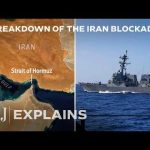
In a move that sent shockwaves through the oil markets, discussions around the control of the Strait of Hormuz have highlighted its strategic importance. This isn’t just about halting a few oil tankers; it’s about redefining who holds the reins of global oil control. No more playing nice in the sandbox for the countries involved. There is a growing conversation about changing the rules of the game and shaping a global landscape that supports more diverse energy sources.
The repercussions are already rippling across the globe, with discussions on energy dominance becoming central to international dialogues. Nations are evaluating their reliance on specific sources, considering diversifying to include American and other global suppliers instead. The diplomatic dance continues, with all parties contemplating energy alliances and economic strategies.
Iran, understanding the strategic importance of diplomacy, seems engaged in talks to stabilize their position. Faced with pressing realities, they may reconsider their stance concerning international agreements and negotiations. There’s potential for discussions around nuclear enrichment programs and broader peace initiatives.
Oil prices have fluctuated in response, capturing the attention of market-watchers everywhere. Meanwhile, countries are assessing alternative routes and strategies to avoid potential disruptions, maintaining stability in their economic and energy sectors. This highlights the complexities and interdependencies of global trade relations.
This period may well be a turning point that impacts the global economy significantly. The actions and decisions taken today will set the stage for future international engagements, leaving everyone in anticipation of the outcomes. One thing’s for certain – these developments are proving to be influential in the realm of international diplomacy.